
Emotional regulation curriculum: emotional literacy and regulation from EYFS to Post-16
Helping young people understand and manage their emotions
When pupils can’t manage big feelings, learning stops: for them and for everyone around them. Our emotional regulation curriculum, built into Life Lessons PSHE, teaches pupils to notice, name and manage their emotions, for calmer classrooms and better learning.
Every Life Lessons PSHE lesson develops at least one of the 5 core skills, alongside RSHE and health education. Primary · Secondary · Post-16
Why it matters
A foundational skill for everything else
Emotional regulation underpins wellbeing, safe decision-making and academic success. Young people need deliberate opportunities to build an emotional toolkit, from Early Years to Year 12. We define emotional literacy and emotional regulation separately, because one grows from the other.
Emotional literacy
Being able to identify, understand and communicate emotions and body sensations.
Emotional regulation
Being able to take intentional action to respond to, manage and navigate emotions adaptively.
Our capacity to regulate is grounded in emotional literacy and interoception: sensing what’s happening in our body. Teaching both explicitly helps young people understand what they feel and build a lifelong toolkit for challenge and stress.
Why it’s important
Why young people need these skills
Emotional regulation isn’t a nice extra. It’s what lets young people learn, connect and stay safe, and it benefits the whole school.
For the learner
- Understands what they feel, and why
- Has a personal toolkit to calm down and cope with stress
- Builds healthier, safer relationships with peers and adults
- Makes safer decisions, online and offline
For their education
- Stays in the room and ready to learn, even when things feel hard
- Can focus, persist and manage setbacks in lessons
- Copes better with pressure points, such as exams and transitions
- Joins in discussion and group work with more confidence
For the school
- Less disruption, fewer outbursts and calmer classrooms
- A shared language for emotions across staff, pupils and families
- Supports your behaviour, attendance and inclusion priorities
- Evidence of progress through skills tracking
What the research says
+4
months’ progress
Effective social and emotional learning can add around 4 months of progress over a year.
Source: Education Endowment Foundation
25%
less violence
Universal social and emotional learning may reduce violence by around 25%, with very high confidence in the evidence.
Source: Youth Endowment Fund
Gap
at every age
Children from disadvantaged backgrounds tend to have weaker social and emotional skills at every age than their better-off peers.
Source: Education Endowment Foundation
“[SEL] can increase positive pupil behaviour, mental health and well-being, and academic performance.”
Gilbert
Our emotions are shaped by 3 systems: threat, drive and soothing. Wellbeing depends on keeping them in balance, and the soothing system grows through connection and care.
Gross
Regulation can happen at different points: choosing or changing a situation, shifting attention, rethinking what it means, or changing how we respond.
Porges
Feeling safe is the foundation for connection and learning. When the body senses threat, it is much harder to think, listen or engage.
Behaviour and disruption
Calmer classrooms start with regulation
Low-level disruption, outbursts and pupils leaving the room often come from dysregulation, not defiance. Sanctions alone don’t teach the missing skill. Emotional regulation does.
Behaviour is communication
Disruption is often a sign of dysregulation: an unmet need, a sense of threat, or not having the words to say what’s wrong. We help staff and pupils see what’s behind the behaviour.
Catch it before it escalates
Pupils learn to spot their early warning signs, like a racing heart or tight chest, and use a strategy before a feeling turns into an outburst.
Tools that work in the moment
Strategies are practised when pupils are calm, so they’re there when they’re needed: in the lesson, on the playground or in an exam.
One language across the school
Staff, pupils and families share the same words for emotions, so every adult responds consistently and calmly.
Our framework
How we build emotional regulation
Our framework draws on evidence of how emotional literacy, interoception and regulation strategies develop from early childhood to adulthood.
01
Interoceptive awareness
Recognising physical body sensations, such as pulse, temperature and stomach sensations.
02
Emotional literacy and vocabulary
Moving from simple feeling words to nuanced emotions, including feeling several at once.
03
Noticing dysregulation
Spotting early triggers, and shifts into hyper-arousal or hypo-arousal.
04
Flexible regulation strategies
A toolkit of sensory, body-based and thinking strategies to calm down.
05
Proactive, adaptive response
Deciding whether to pause, seek co-regulation with a trusted adult, or self-regulate.
The role of a positive outlook
Cognitive reframing
Learning to see mistakes and difficult events as valuable learning opportunities.
Balanced perspective
Valuing challenging emotions, rather than enforcing toxic positivity.
The conditions pupils need
Motivation and engagement
Wanting to engage and learn
- A sense of belonging and a positive classroom culture
- Stories and scenarios build engagement without personal vulnerability
- Small milestones and effort are celebrated
Relational safety
Feeling safe during dysregulation
- Trusted adults and predictable routines
- Unconditional positive regard: behaviour is communication
- Safe spaces to sit with emotions, without fear of shame or punishment
Regulation strategies
Tools to manage challenging states
- A personalised toolkit of practical calming strategies
- Sensory, breathing, movement and reframing techniques
- Practised in calm moments, so tools are there during stress
The science
3 emotional systems, kept in balance
Grounded in Paul Gilbert’s model of emotion regulation, young people balance 3 emotional systems. Dysregulation happens when they get out of balance.
Threat and protection
Anxiety, anger, fear, disgust
Purpose: Spots threats and keeps us physically and socially safe.
Out of balance: Fight or flight (aggression, panic) when over-active. Freeze or shutdown (withdrawal, numbness) when overwhelmed.
In our curriculum: Help young people notice threat early, and recognise body sensations before they react.
Drive and resource
Excitement, motivation, anticipation
Purpose: Motivates us to pursue goals, learn, achieve and explore.
Out of balance: Perfectionism, exhaustion and being unable to rest when over-active. Apathy and low engagement when under-active.
In our curriculum: Channel drive constructively, through growth mindset, small wins and learning from failure.
Soothing and contentment
Calm, safety, connection, care
Purpose: Restores balance and psychological safety.
Out of balance: Activated by compassion, trusted adults and empathy. When under-active, the brain feels unsafe and can’t self-soothe.
In our curriculum: Deliberately teach and practise soothing tools, such as breathing, co-regulation and grounding.
What pupils learn
To be safe, joyful and healthy, I need to…

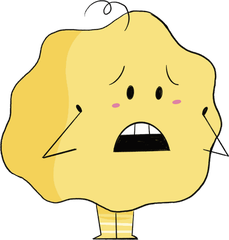



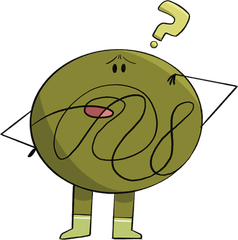
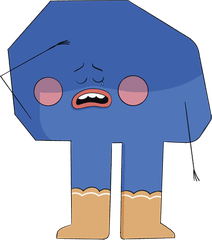

In primary, our emotion characters bring abstract feelings to life and build a shared vocabulary, so every child can name how they feel. In secondary and Post-16, pupils build their vocabulary through peer videos, scenarios and discussion.
01
Recognise how my body feels (interoception)
02
Name my emotions with precise vocabulary
03
Notice when I become dysregulated
04
Regulate my emotions using a range of strategies
05
Choose how to respond, including making decisions and sharing
06
Recognise the benefits of a positive outlook
07
Understand my triggers and patterns, and develop self-awareness
How it builds
From co-regulation to independence
Young children regulate with the help of a trusted adult. Step by step, they take on more themselves, until by Post-16 they can manage their emotions independently. The techniques change as pupils grow.
- Naming basic body feelings: hungry, tired, hurt
- Primary emotions linked to faces
- 1 or 2 simple tools, such as deep breaths or a comfort object
- Emotion characters and stories
- Describing body feelings, such as a ‘fluttery tummy’
- A wider emotion vocabulary
- Spotting situations that cause distress
- Guided calming, with characters to make feelings concrete
- Linking body changes to specific emotions
- Mixed and nuanced emotions
- Choosing strategies independently, and knowing when to ask for help
- Reframing challenges positively
- Anticipating stress under social and academic pressure
- Pausing before reacting
- Thinking and body-based strategies
- Distanced scenarios, peer videos and role play
- Reading body signals in high-stakes moments, such as exams
- Understanding long-term patterns and root causes
- Flexible strategies matched to the situation
- Protecting personal boundaries
Progression
The full progression, stage by stage
Pupils develop emotional regulation in their Life Lessons PSHE lessons, across 4 strands. Progress is spiral, not linear: it can dip with stress or change, and pupils revisit each strand as they grow.
EYFS
Ages 3 to 5
- Body and interoception: Recognises basic body sensations: pain, hunger, thirst and tiredness
- Naming emotions: Names primary emotions (happy, sad, angry) linked to facial expressions in themselves and others
- Dysregulation and triggers: Notices intense feelings, and reflects on them afterwards with a trusted adult
- Regulation and response: Uses 1 or 2 familiar techniques, such as deep breaths or a comfort object, with co-regulating adults
Key Stage 1
Years 1 and 2
- Body and interoception: Talks about physical feelings, such as a ‘fluttery tummy’ or tight chest, and how they know how they feel
- Naming emotions: Describes emotions with a growing vocabulary: worried, excited, frustrated, calm
- Dysregulation and triggers: Notices dysregulation early, and identifies situations (such as playground games) that cause distress
- Regulation and response: Takes guided action to calm down, and expresses feelings safely
Key Stage 2
Years 3 to 6
- Body and interoception: Connects physical changes, such as a racing heart or muscle tension, to specific emotions
- Naming emotions: Uses nuanced vocabulary (disappointed, overwhelmed) and identifies mixed emotions
- Dysregulation and triggers: Explains links between body feelings, triggers and events, and spots emotional patterns
- Regulation and response: Chooses learned strategies independently, knows when to seek adult support, and reframes challenges positively
Key Stage 3
Years 7 to 9
- Body and interoception: Anticipates physical signs of stress and anxiety under social and academic pressure
- Naming emotions: Recognises complex, subtle emotions, and sees challenging emotions as normal and necessary
- Dysregulation and triggers: Pauses to evaluate before reacting impulsively, pre-empting dysregulation
- Regulation and response: Uses independent thinking and body-based strategies, and reframes negative or catastrophic thoughts

Key Stages 4 and 5
Years 10 to 12
- Body and interoception: Reads body signals with high self-awareness in high-stakes moments, such as exams and transitions
- Naming emotions: Articulates mature, layered emotions, balancing optimism with realistic appraisal
- Dysregulation and triggers: Understands long-term patterns and root causes of dysregulation, and protects personal boundaries
- Regulation and response: Uses flexible strategies matched to the situation and audience, ready for adult independence
Practice makes progress
How pupils practise and apply the skill
We can practise emotional regulation like any other skill.
Explicit teaching
Direct, clear exploration of body sensations, emotion vocabulary and regulation tools.
Emotion characters in primary
In primary, carefully designed emotion characters bring the abstract idea of emotions to life, in diverse situations.
Distanced scenarios and role play
Relatable characters and fictional situations come first, before pupils reflect on their own experiences.
Practice in every lesson
Practical activities where pupils try regulation techniques, such as breathing, sensory strategies and reframing.
A whole-school relational culture
Woven into daily routines, restorative conversations and family partnerships.
Want to see how this works in your school?
Evidence base
The evidence behind our approach
- Emotional literacy and regulation aren’t innate. Interoception, sensing signals like heart rate, breathing and hunger, must be explicitly taught.
- Instruction alone isn’t enough. Young people need adult modelling, safe low-stakes practice and consistent reinforcement across school.
- Behaviour is communication. Dysregulation signals unmet needs, overwhelming threat or a lack of words, not intentional defiance.
- Language shapes how we see emotions. We move away from binary terms like ‘good and bad’ or ‘red and green zones’ to descriptive, validating words like ‘challenging’, ‘powerful’ and ‘tricky’.
- Development is spiral, not linear. Progress can fluctuate with stress, hormones, trauma and transitions.
- Distanced before personal. Fictional characters, role play and scenarios provide safety before pupils reflect on themselves.
- It’s whole-school and relational. Emotional regulation thrives when it’s embedded across subjects, policies and home partnerships.
Research we draw on: Brough, M. (2025), Teaching Emotional Literacy and Regulation in Primary Education · Education Endowment Foundation, Improving Social and Emotional Learning in Primary Schools · Gilbert, P. (2014), The Compassionate Mind and evolutionary affect regulation · Gross, J. J., Handbook of Emotion Regulation · Porges, S. W., The Polyvagal Theory
Emotional regulation: your questions answered
What is emotional regulation?
Emotional regulation is being able to take intentional action to respond to, manage and navigate emotions adaptively. It builds on emotional literacy: being able to identify, understand and communicate emotions and body sensations.
What is an emotional regulation curriculum?
An emotional regulation curriculum explicitly teaches young people to recognise body sensations, name emotions, notice dysregulation and choose healthy responses, building those skills step by step as they get older. Ours is taught through the Life Lessons PSHE curriculum from EYFS to Post-16.
Is it a separate programme?
No. It’s built into the Life Lessons PSHE curriculum, so you don’t need to find extra time in the timetable. See our primary, secondary and post-16 PSHE curriculum.
Do you use the Zones of Regulation?
No. We use descriptive, validating language, such as ‘challenging’, ‘powerful’ and ‘tricky’, rather than binary terms like ‘good and bad’ or colour zones, because it helps young people accept their emotions rather than judge them.
How does emotional regulation reduce disruption?
We start from the principle that behaviour is communication. Teaching emotional regulation gives pupils the words and tools to manage big feelings, and our restorative behaviour management support helps staff respond consistently.
How do you measure progress?
Emotional regulation is one of 5 core skills we track. Our skills metric tracks cohort and individual progress and flags indicators of low belonging, safety and mental health. Find out more about impact tracking.
Build emotional regulation across your school
Tell us about your school and we’ll show you how the Life Lessons PSHE curriculum builds emotional regulation from EYFS to Post-16. No obligation.