
Address barriers to learning
Many barriers to learning can be overcome with skills that can be taught
From communication delay to school avoidance, Life Lessons helps you address the barriers behind disengagement, disruption and absence, with a universal PSHE curriculum, confident staff, targeted support, and clear data to identify progress and next steps.
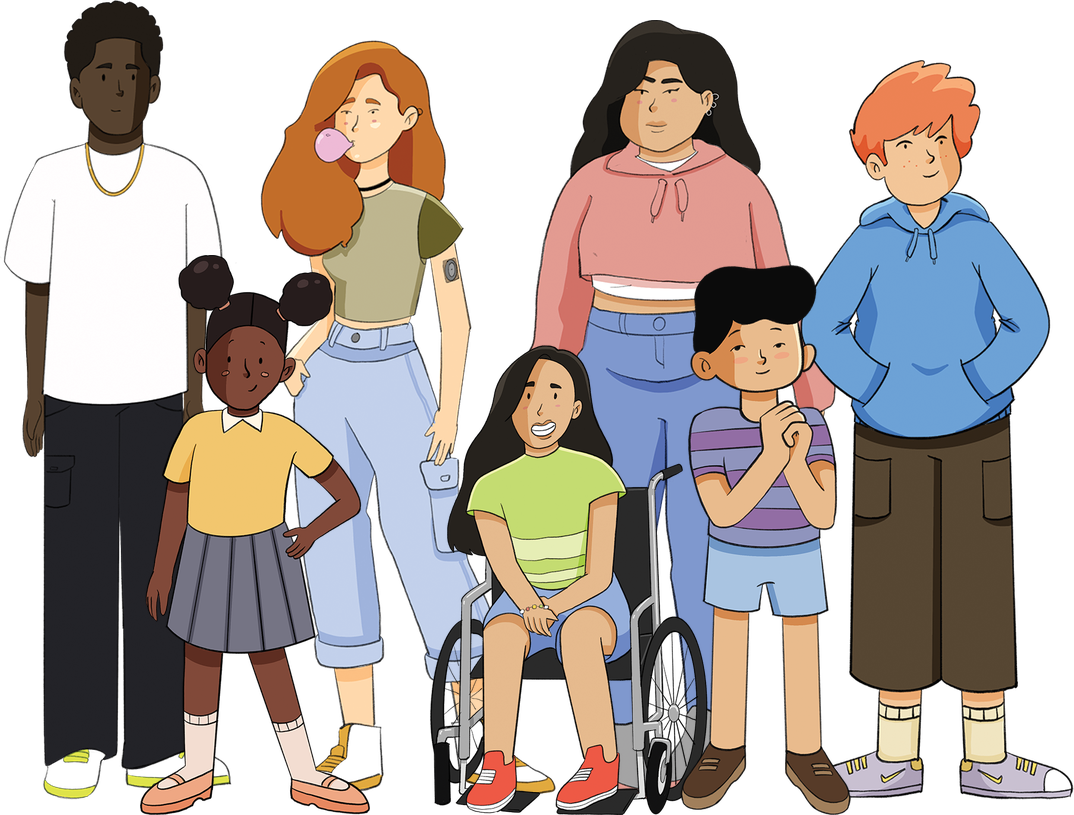
The barriers
9 barriers to learning, and how we help you address them
Tap a barrier to jump to it.
Communication delay Social and emotional development Safety and belonging Needs identified too late Adaptive teaching not yet consistent Resilience Behaviour Relationships and attachment Emotionally based school avoidance (EBSA)
01
Communication delay
The barrier
Some pupils find it hard to understand what others say, put their thoughts into words or join in conversations. It affects learning, friendships and behaviour, and can be mistaken for defiance or low ability.
How Life Lessons helps
- Oracy is built into every lesson, aligned with the Cambridge Oracy Skills Framework, with structured opportunities to talk, listen and respond
- Videos of real young people model how to put feelings and opinions into words
- Accessible design that reduces cognitive load and supports working memory
- Diverse methods to prepare for and contribute to discussion, so speakers at every level are included
02
Social and emotional development
The barrier
Skills such as recognising and regulating feelings, empathy and getting on with others develop at different rates. Pupils with gaps find group work, friendships and the social side of school harder.
How Life Lessons helps
- A skills-based curriculum that progressively develops emotional regulation, empathy, resilience, critical thinking and oracy from Primary to Post-16
- Primary emotion characters, carefully designed to bring abstract concepts to life and build a shared vocabulary, help every young person identify and talk about how they’re feeling
03
Safety and belonging
The barrier
Pupils who don’t feel safe, or don’t feel they belong, find it harder to ask for help, try new things or make mistakes. Low belonging often sits behind disengagement and absence.
How Life Lessons helps
- Relational form time and peer relationship content that build connection
- Diverse, relatable content, so every pupil sees people like them and experiences the variety of other people’s lives
- Staff training on creating safe spaces for discussion
- An annual culture survey of staff, pupils and parents to measure belonging and safety, and identify areas of strength and areas for development
- Alignment with Rights Respecting Schools, building mutual responsibility for care and respect
04
Needs identified too late
The barrier
When a need isn’t spotted early, support only starts once a problem has grown. By then it’s harder to put right, and the pupil has already lost learning time.
How Life Lessons helps
- A skills metric that tracks cohort and individual progress and flags indicators of low belonging, safety, social development and mental health
- Skills application activities in every lesson to inform teacher judgement
- Cross-curriculum observation guides so every adult can spot a pupil who needs extra support or adaptation
Recognise these barriers in your school?
05
Adaptive teaching not yet consistent
The barrier
Adaptive teaching means planning lessons that work for every pupil from the start. It asks teachers to anticipate needs when planning, and to have tools to respond to learning needs in the moment. Doing it consistently is hard, especially in PSHE, which is often taught by non-specialists.
How Life Lessons helps
- Inclusion by design: a consistent lesson structure, so pupils know what to expect, with suggested adaptations to help teachers meet diverse needs confidently
- WCAG 2.2 accessible design that’s dyslexia-friendly and supports working memory
- Story-based delivery that gives a safe distance from sensitive topics
- CPD and on-demand courses so every teacher delivers with confidence
06
Resilience
The barrier
Resilience is the ability to cope with setbacks, try again and manage change. Pupils with low resilience may avoid challenge, give up quickly or become anxious about getting things wrong.
How Life Lessons helps
- Mental strength and resilience is one of the 5 skills taught and tracked across every key stage
- Pupils rehearse real situations through stories, so they practise coping before they need to
- Pupils learn to notice when they’re experiencing stress, and identify which strategies work best for them to regulate
07
Behaviour
The barrier
Behaviour is often a form of communication: a sign of an unmet need, dysregulation or a missing skill. Sanctions on their own rarely teach the skill that’s missing.
How Life Lessons helps
- A restorative behaviour management package that’s relational, trauma-informed and assumes good intent
- Interventions informed by behaviour change psychology, consistent with the whole-school curriculum
- A behaviour intervention tracker to evidence impact
- Staff CPD for a confident and consistent relational approach to behaviour
08
Relationships and attachment
The barrier
Pupils who have experienced insecure or disrupted relationships may find it hard to trust adults, manage friendships or accept help.
How Life Lessons helps
- Relational approaches built into every lesson, with structured opportunities to build connection and empathy
- Healthy relationships content that helps pupils understand what safe, respectful relationships look like
- Staff CPD on facilitating discussion and responding to challenge
09
Emotionally based school avoidance (EBSA)
The barrier
EBSA describes pupils who find it very hard to attend school because of emotional distress, often anxiety. Absence can build quickly and becomes harder to reverse the longer it goes on.
How Life Lessons helps
- Belonging and relational form time that give pupils a safe way back into the room
- Peer voices in videos that make difficult topics feel normal and easier to talk about
- Skills tracking that flags low belonging and wellbeing early, before attendance drops
Case study
From refusing lessons to joining the discussion
Haringey Learning Partnership, London
A pupil had been absent all week. When he came back, he refused to go into any lessons. Hearing other young people share their views in a Life Lessons video drew him into the room, and into the conversation.
Barriers addressed
Emotionally based school avoidance Safety and belonging Communication
“He was hearing the Life Lessons pupils talking about their opinions and then he started to share his own. It was brilliant to see how engaged he was and how much he wanted to get involved. He stayed in the classroom for the entire lesson, sharing his thoughts and opinions on the matter. I thought… ‘wow, this really works!’”
Kalpana, Assistant Head, Haringey Learning Partnership
One joined-up approach
Address every barrier with one whole-school approach
Life Lessons is the universal foundation of your inclusion strategy, with targeted support built on top.
01
Universal PSHE curriculum
Accessible, skills-based lessons from Primary to Post-16, designed to work for every pupil in the room.
02
Confident staff
CPD and ongoing support so every adult delivers with confidence, including on sensitive topics.
03
Targeted support
Relational, restorative and SEND-accessible resources for pupils who need more.
04
Evidence of impact
Skills tracking and culture surveys that show progress and spot vulnerability early.
Inclusive Mainstream Fund
You can use your Inclusive Mainstream Fund (IMF) allocation to pay for Life Lessons, and we’ll help you measure the impact. See how we map to the IMF
Barriers to learning: your questions answered
What are barriers to learning?
Barriers to learning are anything that stops a pupil taking part in and making progress with their learning. They include communication needs, gaps in social and emotional skills, low belonging, anxiety, low resilience and difficult relationships. Many apply to pupils whether or not they have an identified special educational need.
How can PSHE help address barriers to learning?
PSHE is the one place in the timetable where every pupil can explicitly learn and practise the skills that overcome many barriers, such as emotional regulation, resilience, empathy and oracy. Taught well, it’s the universal foundation of an inclusion strategy.
What is emotionally based school avoidance (EBSA)?
EBSA describes pupils who find it very hard to attend school because of emotional distress, often anxiety. Building belonging, safe relationships and the skills to talk about feelings can help pupils return and stay in school.
Is Life Lessons suitable for pupils with SEND?
Yes. Lessons are designed to WCAG 2.2 accessibility standards, with a consistent structure, support for working memory and dyslexia-friendly design. Our targeted interventions are SEND accessible.
Can we use our Inclusive Mainstream Fund for Life Lessons?
Yes. You can use your IMF allocation to pay for Life Lessons. See how Life Lessons maps to the IMF principles.
How do you measure impact?
Our skills metric tracks cohort and individual progress in emotional regulation, critical thinking, resilience, empathy and oracy, and flags indicators of low belonging, safety and mental health. We also run an annual culture survey of staff, pupils and parents.
Which barriers matter most in your school?
Tell us what you’re seeing and we’ll show you how Life Lessons can help. No obligation.
Also see our primary and secondary PSHE curriculum and behaviour management support.