
Understanding RSHE: A Guide for Parents and Guardians
Relationships, Sex and Health Education (RSHE) is a compulsory subject in all schools in England. RSHE helps children and young people understand themselves, build healthy relationships, stay safe, and navigate the modern world with confidence. You may also see the term PSHE (Personal, Social, Health and Economic education), which includes all RSHE content plus topics such as belonging, the environment and financial education
High-quality RSHE gives pupils the knowledge and skills they need to make informed choices and to feel confident, safe and supported at every stage of childhood.
Why RSHE matters
Young people need more than academic qualifications to thrive. They need life skills that help them make good decisions, build strong and healthy relationships, stay safe, understand their emotions and navigate the online world.
-
An outstanding RSHE provision supports your child to:
-
Be safer in school, out of school and online.

-
Develop the knowledge and skills to look after themselves in the world.
-
Respect and be kind to others in the community and in wider society.
-
Conduct healthy relationships of all kinds.
-
Read between the lines of what they see online.
-
Gain critical thinking skills to support good decision making.
-
Build vocabulary and confidence to talk about matters that affect them now and their lives ongoing.
-
Practice reflection skills.
-
Become an active listener with excellent oracy skills.
-
Build empathy towards other people.
Statutory requirements
In July 2025, the government released the latest RSHE guidance. Schools must implement this by September 2026, and all Life Lessons are currently updated all materials to be in line with this change.
Visit the Dept for Education website for the full statutory requirements in secondary education. We have summarised the statutory requirements to RSHE below. By the end of secondary school pupils should know the following:

- About different types of committed, stable relationships.
- How these relationships might contribute to human happiness and their importance for bringing up children.
- About marriage and long-term relationships including legal rights.
- The roles and responsibilities of parents with respect to raising of children.
- How to seek help and support others in unsafe relationships.
- The characteristics of positive and healthy friendships (including online).
- How stereotypes are damaging and the legal rights and responsibilities regarding equality
- How to show respect towards others and show tolerance of other people’s beliefs.
- About types of bullying, the impact of bullying, responsibilities of bystanders to report bullying and how and where to get help.
- Criminal behaviour within relationships including violence and coercive control.
- Sexual harassment and sexual violence and why these are always unacceptable.
- The concepts of, and laws relating to, sexual consent, sexual exploitation, abuse, grooming, coercion, harassment, rape, domestic abuse, forced marriage, honour-based violence and FGM, and how these can affect current and future relationships.
- How people can actively communicate and recognise consent from others, including sexual consent, and how and when consent can be withdrawn (in all contexts, including online).
- Their rights, responsibilities and opportunities online.
- About online risks, including the sharing of materials.
- What to do and where to get support for any issues.
- The impact of viewing harmful content specifically.
- Sexually explicit material and its impact on future relationships.
- Criminal behaviour related to indecent images.
- How information is collected, shared and used online.
- How to recognise the characteristics and positive aspects of healthy intimate relationships.
- That all aspects of health can be affected by choices they make in sex and relationships.
- The facts about reproductive health, including fertility and menopause.
- That there are a range of strategies for identifying and managing sexual pressure.
- That they have a choice to delay sex or to enjoy intimacy without sex.
- The facts about the full range of contraceptive choices, efficacy and options available.
- The facts and choices around pregnancy including miscarriage, adoption and abortion.
- How the different sexually transmitted infections (STIs), including HIV/AIDs, are transmitted, how risk can be reduced through safer sex and the importance of and facts about testing.
- How the use of alcohol and drugs can lead to risky sexual behaviour.
- How to get further advice, including how and where to access confidential sexual and reproductive health advice and treatment.
Pupils should be made aware of the relevant legal provisions when relevant topics are being taught, including for example:
- Marriage
- Consent, including the age of consent
- Violence against women and girls
- Online behaviours including image and
Information sharing (incl. nudes and sexting)
- Pornography
- Abortion
- Sexuality and gender identity.
- The information they need to make good decisions about their own health and wellbeing.
- How to seek support as early as possible from appropriate sources.
- About self-control and self-regulation.
- About the stigma attached to health issues, especially mental health.
Key facts about the menstrual cycle including what an average period is, about a range of menstrual products and the implications for emotional and physical health.
Who does the guidance apply to?
| Curriculum focus | A legal requirement | Optional but recommended |
| Relationships Sex and Health Education (RSHE) | All schools providing primary and secondary education, including: – All through schools including academies and free schools – Middle schools – Independent schools – Alternative provisions and pupil referral units (PRUs) – Non-maintained/ maintained special schools | The statutory requirements do not apply to sixth form colleges, 16-19 academies or Further Education (FE) colleges. Although we would encourage them to support students by offering these subjects. |
| Health Education | All maintained schools including: – Schools with a sixth form – Academies – Free schools – Non-maintained special schools – Alternative provisions and pupil referral units (PRUs) | The statutory requirement to provide Health Education does not apply to independent schools. PSHE is already compulsory as independent schools must meet the Independent School Standards as set out in the Education (Independent School Standards) Regulations 2014. |
The Life Lessons Approach
Primary RSHE
Our primary programme uses stories, relatable characters and simple, accessible language to help children understand their emotions, build positive relationships and explore the world around them. Lessons are designed to support all learners, including those with dyslexia or visual needs, and feature diverse characters that reflect real-life experiences. Content is structured around Understanding Myself, Self with Others and Self within the World, helping children develop early emotional literacy, confidence, empathy and resilience.
Secondary RSHE
Our secondary curriculum focuses on real-life scenarios, student-led discussion and clear factual information. Lessons help young people think critically, communicate respectfully and manage sensitive topics with maturity. Students explore healthy relationships, online behaviour, consent, identity, influence and wellbeing, developing the knowledge, confidence and decision-making skills they need to stay safe and navigate the world around them.
How we work with your child’s school
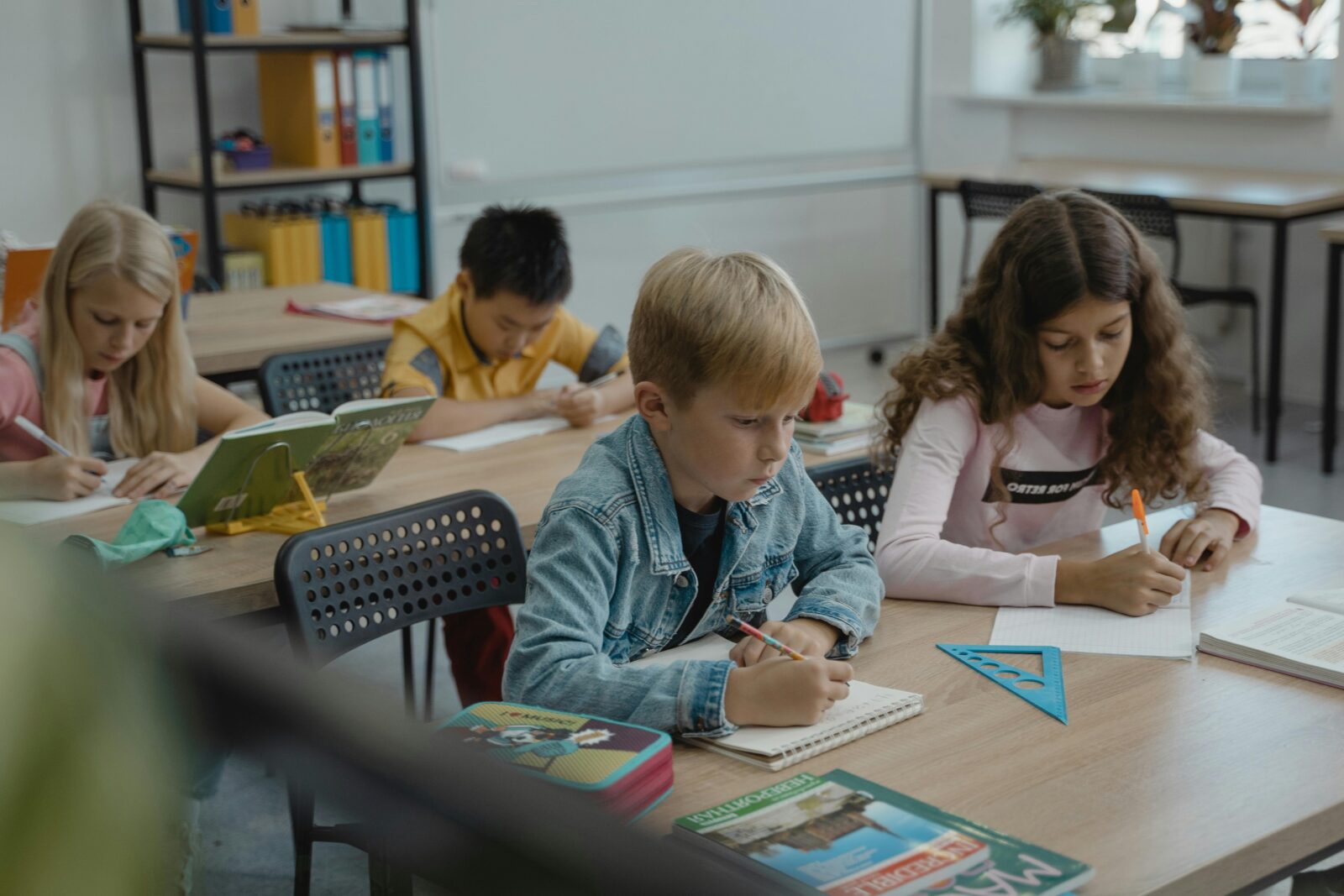
Life Lessons schools get access to a range of materials including:
- A full set of 1 hour lessons to deliver upon your statutory requirements
-
Mini lessons for use in form time and assemblies that are based on current affairs and cultural themes
-
Training for teachers
- A full video library of expert and peer videos
Within a school, the PSHE/RSE Lead decides on what will be taught to who and when. To do this they take into consideration statutory guidance which says what has to be taught. To plan when it is taught they will typically consult with parents, teachers with an awareness of the students and look at regional data to localise their teaching to the needs of young people in that area. For example if knife crime is prevalent then more emphasis will be placed on that issue.
We are there to support and empower the PSHE Lead, we see our role as a partnership between us and the school.
Our principles
- Our video resources model discussion for students to support them to build their oracy skills in a safe environment.
- We include discussion prompts throughout our lessons so that teachers can facilitate healthy discussion in the classroom
- Unlike other providers, we update our materials ongoing so our lessons reflect what’s going on in the world and in the lives of young people.
- Our peer video resources show a diverse group of young people discussing their experiences and opinions on a wide range of topics. Students are able to connect with these young people and hear from a variety of perspectives.
- Our weekly ‘In the News’ lessons allow students to engage with and discuss topical issues that are relevant to them and their lives.
- We use inclusive language and scenarios in our materials to represent all experiences in our diverse society. This includes the young people in our videos who are from a variety of different backgrounds and represent different sexualities, religions and cultures.
- We follow the Ofsted guidance around compliance with requirements of the Equality Act 2010 through resources that support all students to understand the importance of equality and respect. This includes specific teachings about protected characteristics such as race, religion and sexuality as well as representing all viewpoints in our materials.
A note on age appropriateness
Schools must be sensitive to teach topics at a time that will most benefit the safety and development of the child. The maturity and development of children varies hugely and this is influenced many factors including:
- A child’s homelife – language and openness modeled by parents/carers
- The influence of other people including friends and older siblings
- Access to technology and the world of adult focussed content it opens up
- Neurodivergence
A school and the PSHE lead will be adapting materials based upon their understanding of pupil needs and in consultation with parents.
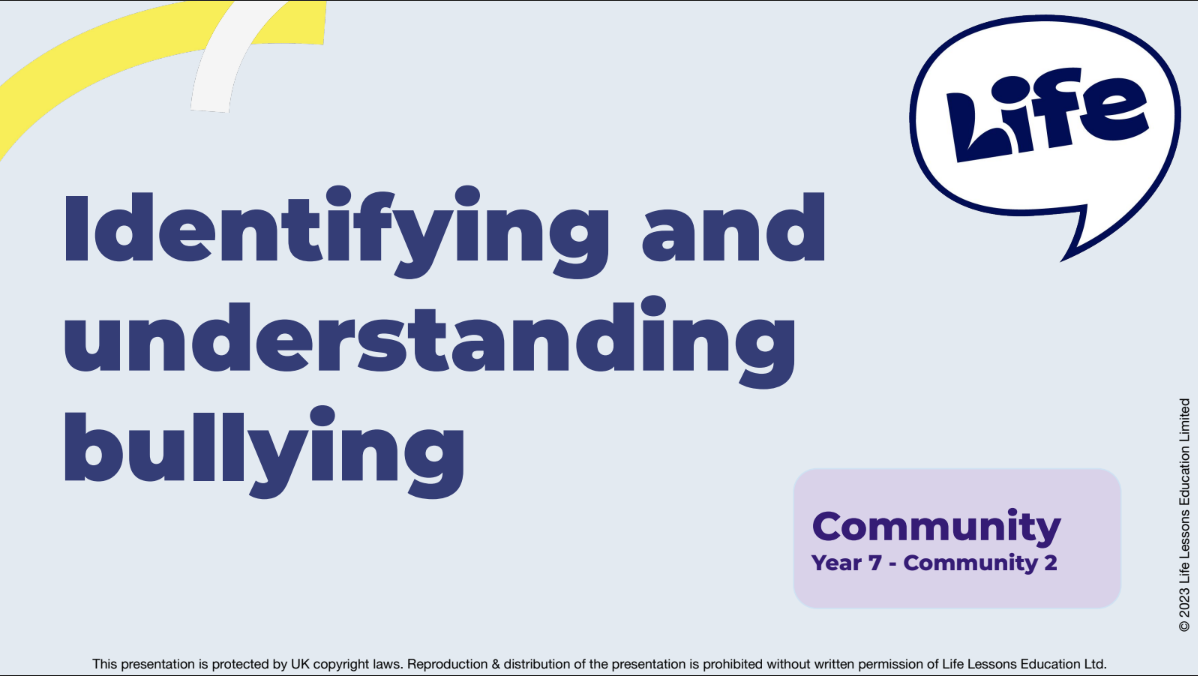
KS3: Bullying
Here is a year 7 lesson on identifying and challenging bullying. The lesson contains lots of discussion prompts to encourage students to build their oracy skills and share their thoughts about such an important issue.
KS4: Being influenced and influencing others
This is a year 10 lesson about being influenced and influencing others. The aim of this lesson is to support students to be able to identify and evaluate different influences in their lives and consider how they can positively impact others.
KS5: Social media
Here is a year 12 lesson on tackling the topic of using social media responsibly. This lesson encourages students to consider strategies for using social media safely and responsibly and also reminds students of the law around the sending of images online.
KS3: Contraceptive Methods
Here is a year 9 lesson on contraceptive methods. Students will have learnt about contraception in year 8 so this lesson builds on their existing knowledge to look at different methods to protect against pregnancy and STIs.
KS2: How does the Equality Act allow us to live our best lives?
Here is a year 4 lesson exploring the Equality Act, what it means and how it works. The pupils talk about words like “discrimination” and “characteristics”, and learn more about these words and the Equality Act by different scenarios.

KS2: How can we build healthy communities?
Here is a year 6 lesson exploring what a community is, how we can contribute to our community and how we can build healthy communities.

KS1: How do I feel when I am safe?
Here is a year 1 lesson exploring how pupils feel when they feel safe and unsafe. The lesson also helps pupils to think about what a trusted adult means.
