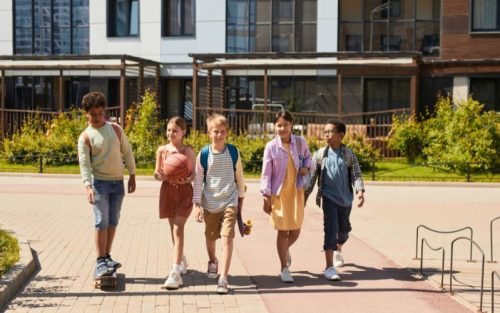
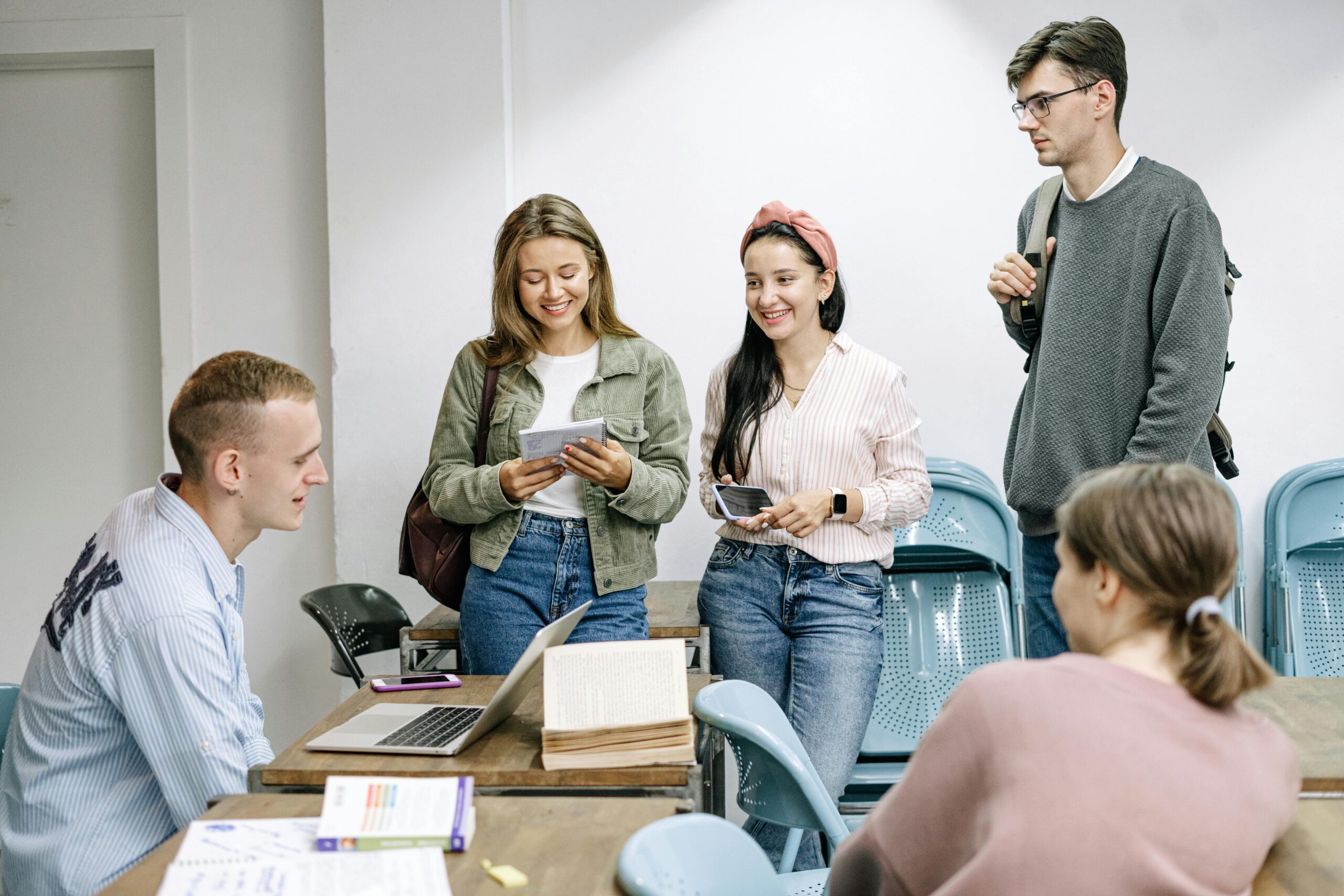
At Life Lessons, a youth centred approach is at the core of everything we do. Our co-founders envisioned building a classroom where peer learning was championed and where teachers felt confident to facilitate meaningful discussions that enable young people to share their experiences and learn from each other. We believe that young people should not just be the recipients of education, they should be active contributors to it. As we explore innovative strategies that empower young people to find their voice and have it heard, we are looking to answer the question: What happens when we truly listen to the people our curriculum is designed for?
Why youth voice matters
A 2023 study by the IOE and NSPCC says:
“Young people are still too rarely consulted about relationships, sex and sexuality education”.
However, when they are invited to contribute, their insights create a curriculum which is uniquely suited to the needs of the pupils who are accessing it. They tell us what feels relevant, what feels outdated, and how lessons could better support their wellbeing.
This is why we are looking to develop methodologies that genuinely drive development and demonstrate to young people that we value their voices and put their ideas into action through our ever evolving lessons and form time resources.
Youth voice gives us a way to bridge the gap between classroom content and lived experience. PSHE as a subject is forever changing – society moves quickly and language is constantly evolving. Furthermore, online media has an ever increasing influence in the lives of young people and these spaces are distinctly different from those we encounter as adults, so it is of the utmost importance that we dedicate time to understanding these spaces and the impact they have on young people.
PSHE should prepare young people for life outside the classroom, and by involving students in curriculum design, feedback, and evaluation, we ensure PSHE reflects the real experiences of young people, and provide them with guidance as they navigate their lives outside the classroom.
From consultation to collaboration
Youth voice isn’t about tokenism – it’s about partnership. When young people feel their experiences and opinions genuinely shape their learning, they are more engaged, and more likely to apply what they learn. It is important to us at Life Lessons to ensure that our youth voice is as reflective, inclusive and diverse as the classrooms we teach in. This will mean that pupils across the country who use our lessons will be able to see their experiences reflected, and are provided with the opportunity to hear from peers who can support them in developing an understanding of themselves and others. In essence we want young people to recognise that their voices truly do matter.
Research supports this: a 2024 titled ‘Young adults’ perspectives on sex education at school in Scotland’ found that many young adults felt their school sex education came “too late to be useful” and “failed to represent diverse identities.” Involving young people directly in what and how they are taught helps prevent this disconnect. It turns RSHE into something co-created, inclusive, and empowering.
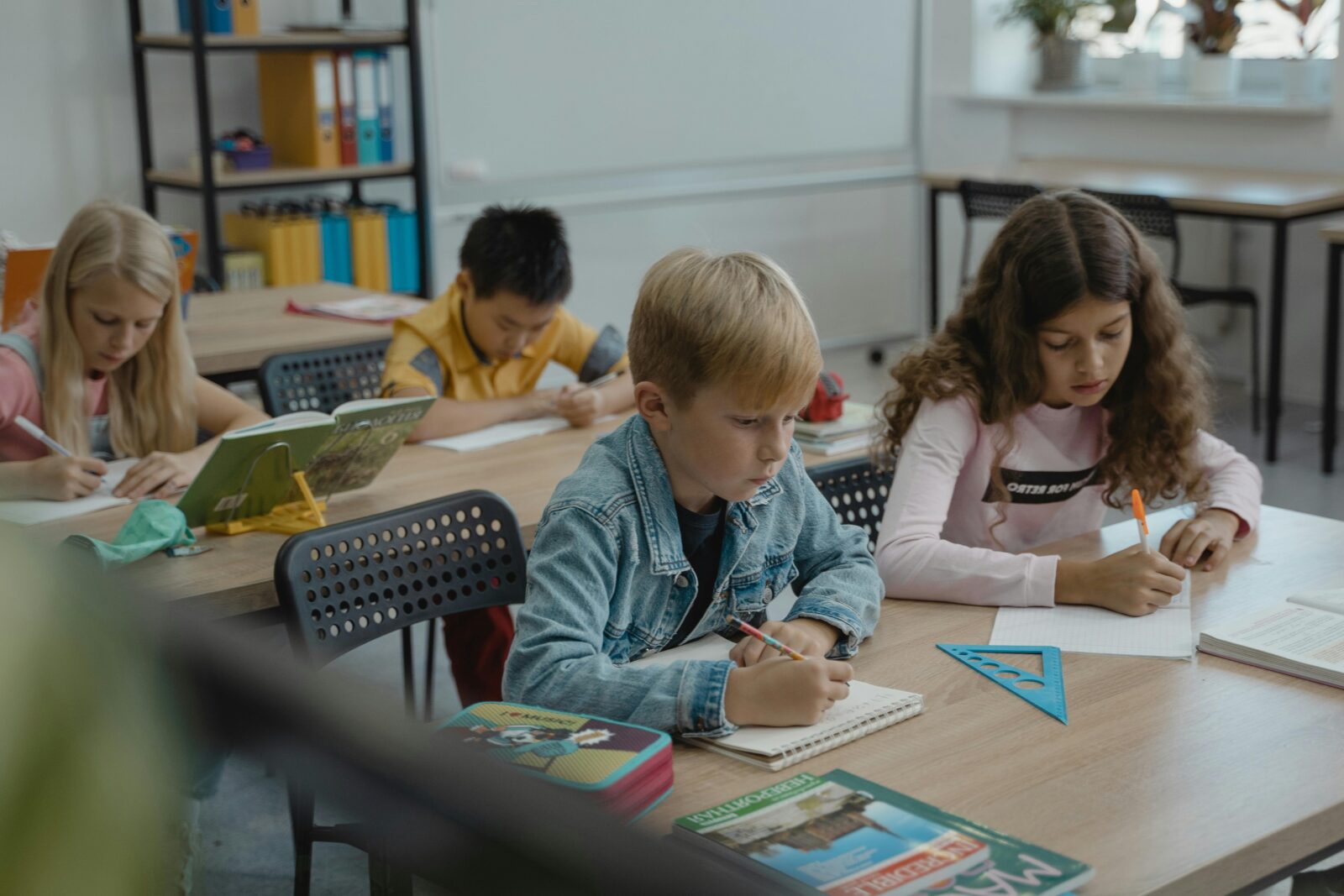
Youth voice as a measure of impact
As we work to refine and evidence the impact of Life Lessons, youth voice will be a key tool for measuring what matters. While quantitative data is important, listening offers a different kind of insight, in relation to:
- engagement – do students feel RSHE lessons are relevant and relational?
- confidence – are they more comfortable discussing relationships, consent, or wellbeing after participating in a discussion based lesson?
- belonging – do they feel seen and represented in the content? Do they see their experiences reflected in the materials they use?
- relevance – in a study of young people conducted by Sophie King-Hill she states that ‘young people indicated that in many instances they were being taught what they already know’. Youth voice will ensure that the resources we create are timely and reflective of what young people need now.
Capturing young people’s perspectives gives us a richer, more authentic measure of impact, and ensures that our resources are inclusive, representative and relevant.
Ultimately, the impact we want to make is in the lives of young people, and how better to measure this impact than through consulting with the people who the lessons are designed for.
What comes next
Our goal is to build a youth voice model that allows young people to shape Life Lessons in meaningful ways. We are striving to create a bold and innovative youth voice model that stirs genuine engagement and excitement with young people. We have an ambitious vision to make Life Lessons a medium for young people to share authentic insights and expressions with their peers and teachers.
We want to make sure that the feedback we receive from young people is actioned into the curriculum, and that they can see tangible evidence of their collaboration with us. In doing so, we hope to model what great PSHE stands for: respect, inclusion, collaboration, and a willingness to learn from one another.
Looking ahead: Life Lessons’ youth voice model
Over the next academic year, we’ll be working with young people, teachers, and partner schools to co-design the foundations of our youth voice model. This will help us build consistent ways for young people to share their experiences of Life Lessons, influence future resources, and tell us what’s working – and what isn’t.
By embedding youth voice at the heart of our approach, we aim to make every resource that Life Lessons creates not just something taught to young people, but something grown with them.
Are you looking to empower your young people to use their voices and be heard? Get in contact with Life Lessons to see how we can work with you to achieve this.