More and more young people, particularly teenage boys, are turning to the gym to build muscle and change how their bodies look. Alongside this has come a worrying trend: students experimenting with unlicensed substances such as steroids, peptides, growth hormone and “tren”. This blog examines why this is happening, the serious health risks involved, the warning signs for teachers and parents, and how schools can respond.
What are these substances?
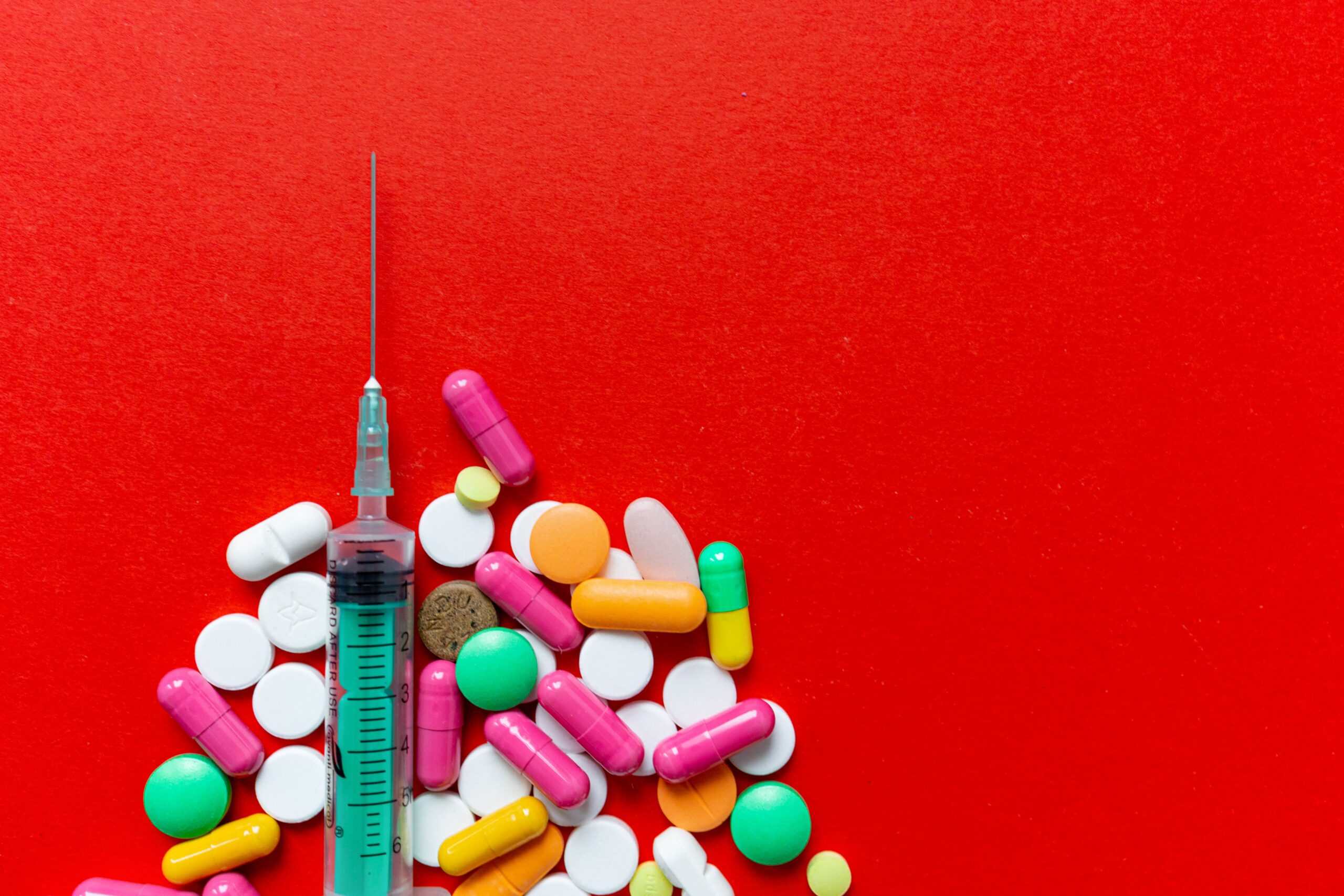
When people talk about “gym drugs” or image and performance-enhancing drugs (IPEDs), they’re usually referring to a group of substances used to build muscle and change appearance, including:
- Anabolic steroids – synthetic substances that mimic testosterone to build muscle mass.
- “Tren” (trenbolone) – a powerful anabolic steroid that has become notorious in gym culture.
- SARMs (selective androgen receptor modulators) – newer chemicals marketed as a way to gain muscle with supposedly fewer side effects.
- Peptides and growth hormone – substances promoted online as shortcuts to a more muscular physique.
The common thread is that these are almost always unlicensed, unregulated and illegal to supply. Anything bought online or sourced through a gym is most likely unlicensed, and there’s no way for the user to know what they’re actually taking.
Worryingly, what many young people see as normal gym behaviour is, in fact, a serious health and legal risk. As one teacher recently described, a student commented almost casually: “I only used tren for three days.” That sense of normalisation is exactly what makes this trend so concerning.
Why is gym culture and steroid use becoming more popular with young people?
This isn’t really a story about fitness. Researchers at the University of Birmingham have noted a clear trend towards increased steroid use by teenage boys, not for athletic performance, but to develop “a larger and more defined musculature”. In other words, it’s driven by body image.
The UK government’s Advisory Council on the Misuse of Drugs (ACMD) found that these substances have become “popular in relation to body building and image enhancement”, with evidence that such use is increasing.
So what’s fuelling it? A major factor is social media and online culture. A large study of male gym users found that image-focused social media use was linked to the use of these substances, with a “more negative body image being related to increased SARM use”. The US Food and Drug Administration has warned that, on social media, “videos target teenagers and young adults, touting SARMs as a quick or easy way to improve physical appearance” – with online vendors and influencers making them “seem safe and effective” when the reality is they are potentially dangerous.
In a UK parliamentary debate on performance-enhancing drugs and body image, MPs noted that users could “easily buy steroids through Instagram even though they are class C drugs”, alongside an “ever-growing social media pressure to conform and have muscles”.
For young people growing up immersed in fitness influencers, “looksmaxxing” content and a culture that prizes a certain body type, the leap to unlicensed substances can feel smaller than it should.
The risks and side effects of steroids and IPEDs
The health risks are serious – and, crucially, they are greater for young people whose bodies are still developing. UK Anti-Doping warns that people using IPEDs or steroids put themselves at risk of substantial harm, including “significant cardiovascular problems, which are potentially life-threatening”, as well as extensive and permanent disruption of normal sexual function from long-term or heavy use. They stress that the use of these substances “is also likely to be more damaging to a young person, who is still growing, than a mature adult”.
FRANK, the UK government’s drug information service, sets out the effects clearly. If you’re young, anabolic steroids can stop you from growing properly. In males, regular use can lead to erection problems, breast growth, sterility, hair loss, acne and shrunken testicles. FRANK also warns that users can easily become psychologically dependent, with withdrawal symptoms including headaches, lethargy and depression.
Because these products come from an illicit, unregulated market, there’s an added danger: users often don’t know what they’re taking. A UK harm-reduction study found that many users were “unaware of the potential dangers of using drugs from the illicit market”, and that norms passed between users could actually “promote practices that may increase the chance of harms occurring”.
What does the law say?
One of the most important things for young people to understand is that this isn’t a grey area. Anabolic steroids are a Class C drug. According to FRANK, while possession for personal use isn’t illegal, it is illegal to give them away or sell them – and supplying someone else, even a friend, can result in up to 14 years in prison, an unlimited fine, or both.
This matters because, as the teacher’s account showed, some students view using these substances as acceptable conduct. The reality is that sharing or supplying them is a serious criminal offence.
Warning signs for teachers and parents
It can be difficult to spot, particularly because the behaviour is often wrapped up in something that looks healthy – going to the gym. Some things that may warrant a closer conversation include:
- Sudden, dramatic changes in muscle size or physique
- A preoccupation with body image, muscularity or “bulking”
- Mood changes, irritability or aggression
- Skin problems such as severe acne
- Conversations or online searches referencing substances like “tren”, SARMs, peptides or “gear”
- Ordering unlabelled supplements or products online
A particularly sobering finding: one systematic review concluded that children’s first experience of taking these substances can occur before their 10th birthday. This is not only a secondary school issue.
How to address this with students
As with any sensitive topic, the goal isn’t to lecture or shame, but to inform and open up honest conversation. Drawing on our approach at Life Lessons, here are some suggestions:
- Create safe, non-judgmental spaces for students to discuss body image and gym culture openly.
- Tackle the root cause – body image pressures and the influence of social media, not just the substances themselves.
- Build critical thinking so young people can question the “quick fix” messages they see from online influencers.
- Share the facts clearly, including the health risks and the law, without sensationalising or providing a “how-to”.
- Promote healthy masculinity and a positive relationship with exercise, food and self-image.
- Follow safeguarding procedures – if you have concerns about a specific student, follow your school’s policy and speak to your Designated Safeguarding Lead.
Good PSHE has a vital role to play here: by helping young people build resilience around body image, think critically about what they see online, and understand the real risks, we can address the pressures driving this trend long before a student ever considers a “quick fix”.
Where to get support
- FRANK – free, confidential information and advice about drugs, including a dedicated anabolic steroids page. Visit talktofrank.com or call 0800 77 66 00.
- Childline – for any young person who wants to talk. Call 0800 1111 or visit childline.org.uk.
- The Mix – support for under-25s on a range of issues. Call 0808 808 4994 or visit themix.org.uk.
- YoungMinds – for mental health and wellbeing support. Visit youngminds.org.uk.
If you’re a teacher with a concern about a specific student, always follow your school’s safeguarding policy and speak to your Designated Safeguarding Lead.