This year, Eating Disorder Awareness Week takes place between the 23rd February and 1st March. It gives us the opportunity to learn more about this topic, to reflect on our own knowledge and beliefs and to challenge the misconceptions relating to eating disorders. This year’s theme is ‘Community’, highlighting the positive impact that supportive people can have on individuals experiencing an eating disorder.
What are eating disorders?
Eating disorders are mental health conditions, characterised by someone using disordered eating behaviour to manage challenging circumstances and feelings. For some people, this may mean:
- restricting food (anorexia nervosa)
- eating high quantities of food (binge-eating disorder)
- being sick after eating (bulimia nervosa).
There are many different types of eating disorder, and anyone can develop one – according to Beat, it’s estimated that at least 1.2 million people in the UK have an eating disorder.
What are some misconceptions around eating disorders?
“Only girls and women develop eating disorders.”
Many boys and men develop eating disorders, particularly if they aim to present in a more stereotypically masculine way. Whilst boys and men can develop anorexia, binge-eating disorder and bulimia, they can also be at risk of developing muscle dysmorphia, where someone has strong concerns about their body being ‘too small/thin’ or ‘not muscular enough’.
“Someone with an eating disorder always wants to lose weight and has poor body image.”
Poor body image can be a contributing factor to someone developing an eating disorder, however, someone with an eating disorder can also use food – or lack of it – as a way to regain control. An eating disorder can be triggered:
- by a traumatic event
- as a way to cope with difficult emotions and events, such as sudden change or feelings of guilt and inadequacy
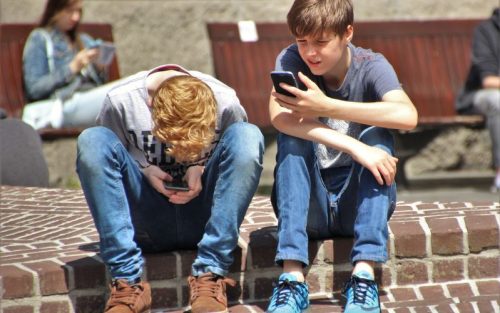
- as a response to harmful messages on social media
- by issues with texture and taste
It can be helpful to remember that an eating disorder is characterised by someone’s relationship with food, as opposed to their appearance or weight. This means that we can’t tell if someone has an eating disorder just by looking at them – someone can have an eating disorder at any weight.
I’m concerned about a young person’s relationship with food – what should I do?
Some signs that a young person is struggling with their relationship with food include:
- changes in weight
- perfectionist beliefs and behaviours
- isolating themselves from others, especially when eating
- low self-esteem
- tiredness, irritability and anxiety
If you have any concerns about a young person’s safety or welfare, it’s always recommended to follow your setting’s safeguarding procedures. There’s also support available from charities such as Beat and YoungMinds. Through education, empathy and support, everyone can play a role in supporting young people with eating disorders, and encourage everyone to have a positive relationship with food and their body.
What can we do to help?
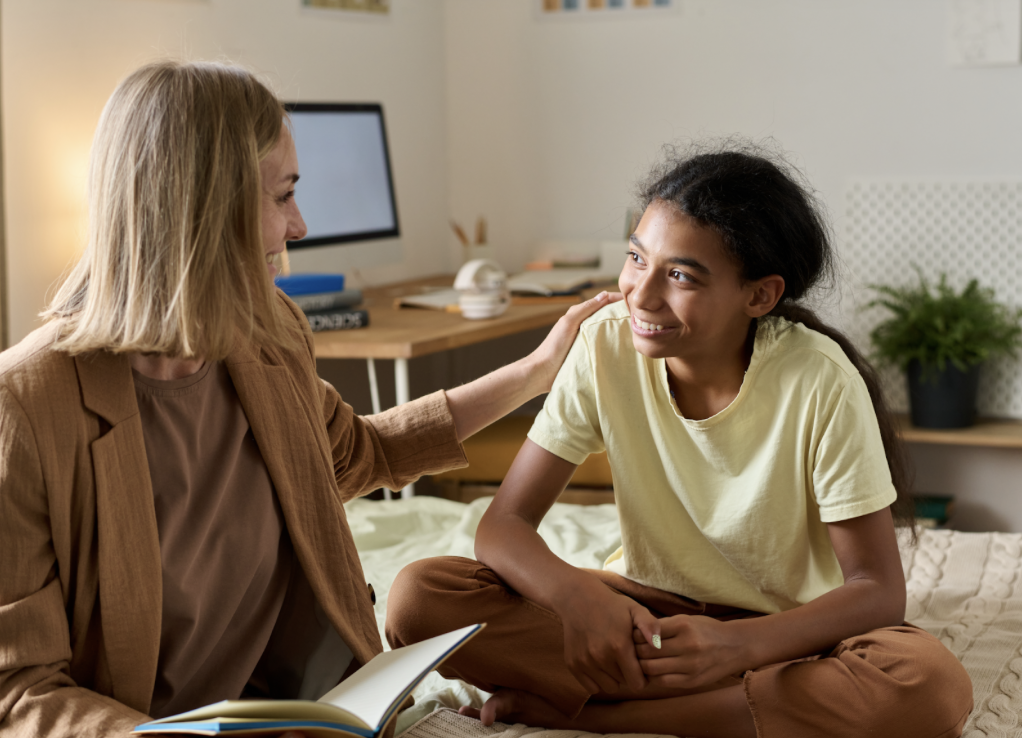
As the theme of ‘Community’ reminds us, supporting those with an eating disorder, and challenging beliefs that could contribute to an eating disorder, is everyone’s responsibility. Educators are particularly well-placed to support, through:
- signposting to support services
- modelling healthy attitudes towards food, for example, not describing food as ‘good’ or ‘bad’
- delivering a robust and relevant PSHE curriculum.
At Life Lessons, our PSHE spiral curriculum addresses crucial topics such as body image and social media, the pressures young people face, social expectations and gender and ethnic stereotypes. By addressing these topics, young people are supported to foster a healthy relationship with food and their body. We also embed skills development within our resources, including empathy, critical thinking and mental strength & resilience. These skills help to form protective factors against the development of eating disorders, and help young people to identify when they, or someone else, could be at risk. If you would like to learn more about our resources, contact us at hello@lifelessons.co.uk or visit lifelessons.co.uk.