

Behaviour can be one of the most challenging elements of school life. Behind most incidents are emotions pupils cannot name, needs they cannot express or situations that feel overwhelming in the moment. When schools approach behaviour through a restorative lens, it becomes an opportunity to build emotional literacy, strengthen relationships and support more positive behaviour in the long term.
This relational, youth-voice centred approach sits at the heart of Life Lessons. Our curriculum and training help schools go beyond traditional behaviour management systems and create consistent, restorative conversations that support pupil wellbeing, inclusion and self regulation.
Why behaviour needs a restorative approach
Relying solely on sanctions or punitive behaviour systems rarely leads to meaningful change. The Department for Education’s guidance on behaviour highlights the importance of preventative, relational approaches and consistent adult practice.
Other research also supports this. A major report from the University of Cambridge found that restorative practice in schools helps reduce repeat incidents, improves relationships and contributes to a calmer, more connected school climate.
Restorative practice works because it helps pupils understand the impact of their behaviour, rather than simply experience consequences.
Understanding the emotion behind the behaviour
Emotional literacy is fundamental to behaviour change. Many pupils cannot recognise or name their feelings in the heat of a moment, which makes regulation difficult.
Our restorative model guides pupils through five key steps:
- What happened
- How people felt
- Who was affected
- What influenced the behaviour
- What could happen next
These reflective prompts support self regulation and encourage pupils to take ownership.
The role of belonging in behaviour
Belonging makes a measurable difference to behaviour. UK relational practice frameworks show that pupils who feel safe, connected and understood are more engaged and less likely to experience repeated incidents. A strong sense of belonging acts as a protective factor, especially for pupils facing emotional strain or uncertainty.
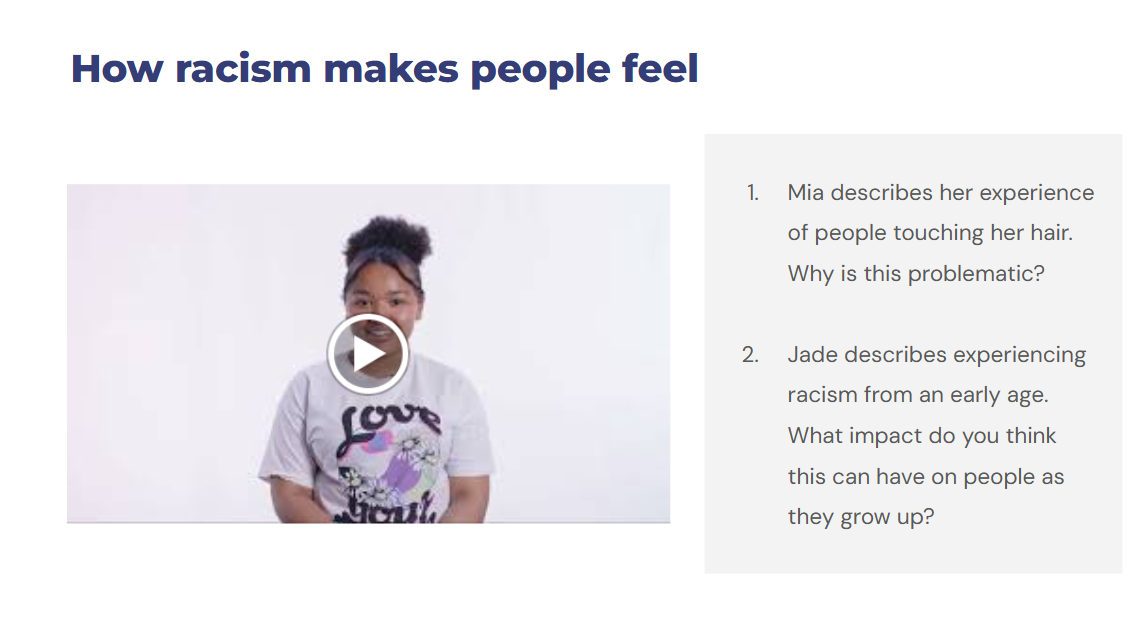
At Life Lessons, our curriculum supports this through peer led videos, clear language and activities that encourage pupils to talk openly about feelings, relationships and wellbeing.
Making behaviour conversations accessible for all pupils
Inclusive behaviour support must be accessible for pupils with varying needs. Many pupils, including those with SEND, benefit from:
- Visual scaffolds
- Step by step reflection prompts
- Comic strip conversations
- WCAG aligned colours
- Clear, literal language
Making behaviour conversations accessible ensures every pupil can understand what happened and engage with the process.
Practical tools that help teachers guide restorative conversations
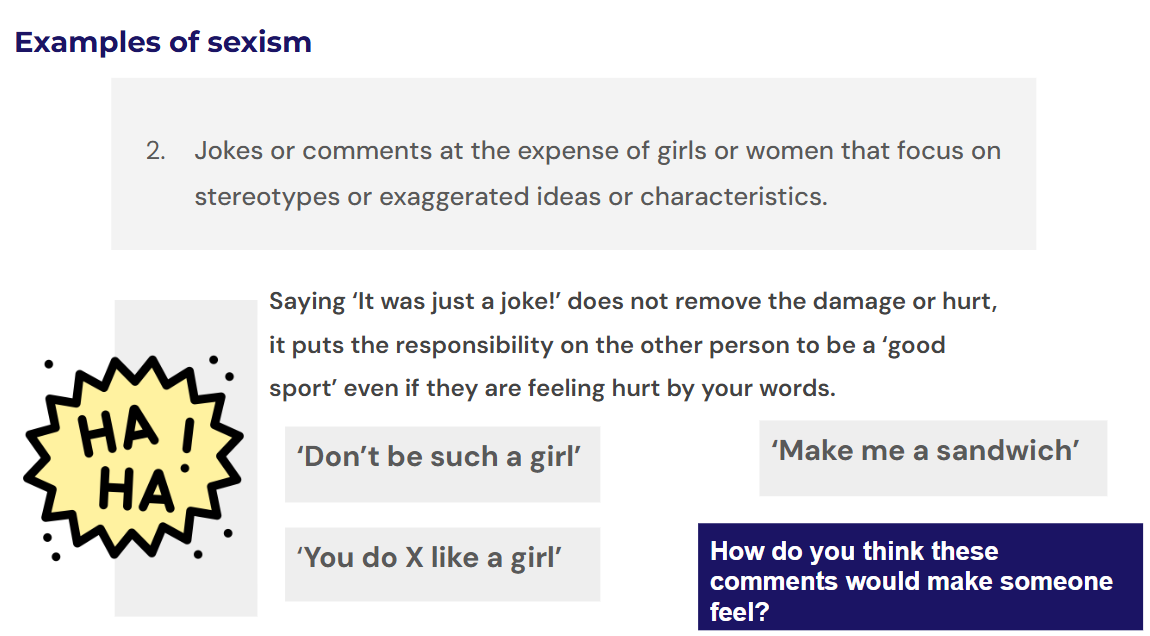
Teachers need behaviour strategies that are simple, predictable and supportive. Life Lessons provides:
- Reflective question prompts for restorative conversations
- Affective statements
- Harm and influence mapping sheets
- Editable resources
- Visual aids for behaviour reflection
These tools help staff respond consistently and confidently, while modelling calm and relational practice.
Building a restorative culture where behaviour becomes learning
Behaviour will always be part of school life. What matters is how we respond. Restorative, relational practice turns incidents into meaningful learning opportunities. Emotional literacy grows with each conversation. Pupils learn to repair harm, reflect on their choices and develop skills that help them thrive in and beyond the classroom.
At Life Lessons, we support schools to build relational, inclusive behaviour cultures where pupils feel supported, understood and ready to learn.
If you would like to learn more about Life Lessons behaviour interventions and how we support schools to embed restorative, relational practice, contact us at hello@lifelessons.co.uk or visit lifelessons.co.uk