
April is Autism Acceptance Month, a time not just to acknowledge the experiences of autistic people in our communities, but also to ask ourselves what we can do to make the world a more inclusive, supportive place for everyone.
You might notice we said acceptance, not awareness, and this distinction is important. Awareness means knowing that autistic people exist and that their experiences differ from neurotypical people’s. Acceptance goes further, it means embracing those differences, taking action, and working to remove the barriers autistic people face every day. At Life Lessons, we are focusing on what we can do this month and beyond to support this acceptance.
What is autism?
Autism is a lifelong neurodevelopmental condition that affects the way a person communicates, processes information, and experiences the world around them. It is not an illness, and it cannot be “cured”, nor does it need to be. Most autistic people, and the medical community, increasingly understand autism as a natural part of human neurodiversity.
The word spectrum is key here. In the past, people sometimes imagined the autism spectrum as a straight line from “mildly autistic” to “severely autistic.” We now understand it to be far more nuanced than that. Every autistic person has a unique combination of characteristics — different strengths, different challenges, different support needs. It is important not to make assumptions about any individual autistic person’s abilities, and terms like “high functioning” or “low functioning” can be unhelpful and reductive.
How autism can present: Different experiences, different needs
Because autism is a spectrum, there is no single “autistic experience.” However, there are some areas where autistic people commonly experience differences.
Sensory and communication differences
Many autistic people experience sensory sensitivities – to light, sound, touch, smell, or taste. Some may be over-sensitive to certain stimuli, for example – finding a busy classroom overwhelming, while others may be under-sensitive and seek out sensory input. Communication can also look different: some autistic people may find verbal communication challenging, while others communicate very fluently but may find interpreting social cues or unspoken rules more difficult.
Behaviour and interests
Autistic people may have particular areas of intense interest, a strong preference for routine and consistency, and may use repetitive movements or behaviours, sometimes called “stimming” (self-stimulating behaviour), to self-regulate. Stimming is a way of engaging with and coping in the world – it’s important to support young people to ‘stim’ in a way that is safe and also meets their sensory needs.
Gender and diagnosis
Autism is currently diagnosed three to four times more often in boys than in girls. This gap doesn’t necessarily reflect how common autism actually is across genders, it reflects, at least in part, how autism has historically been studied and understood. Early research was based primarily on male subjects, leading to diagnostic tools and frameworks that don’t always capture the way autism presents in girls and women.
Autistic girls are more likely to “mask” — consciously or unconsciously concealing autistic traits by mimicking the behaviour of those around them. While masking can allow someone to blend in socially, it is exhausting, and is associated with poorer mental health outcomes. It also means that many autistic girls go undiagnosed or receive a diagnosis much later in life, missing out on support they need. As awareness of these gender differences grows, professionals are working to ensure diagnostic processes are more sensitive to the full range of autistic experiences.
How we can support autistic young people
Supporting autistic young people starts with getting to know them as individuals. There is no one-size-fits-all approach – every person’s needs are different, and that’s true for all of us. That said, there are several strategies that are widely beneficial:
- Environmental adjustments: Small changes to the physical environment can make a significant difference: dimmer or adjustable lighting, access to ear defenders or other sensory tools, display boards that are clear and uncluttered rather than heavily colourful and busy, and dedicated quiet spaces for when stimulation becomes overwhelming. These aren’t unusual concessions, they’re reasonable adjustments that allow autistic young people to access learning on equal terms.
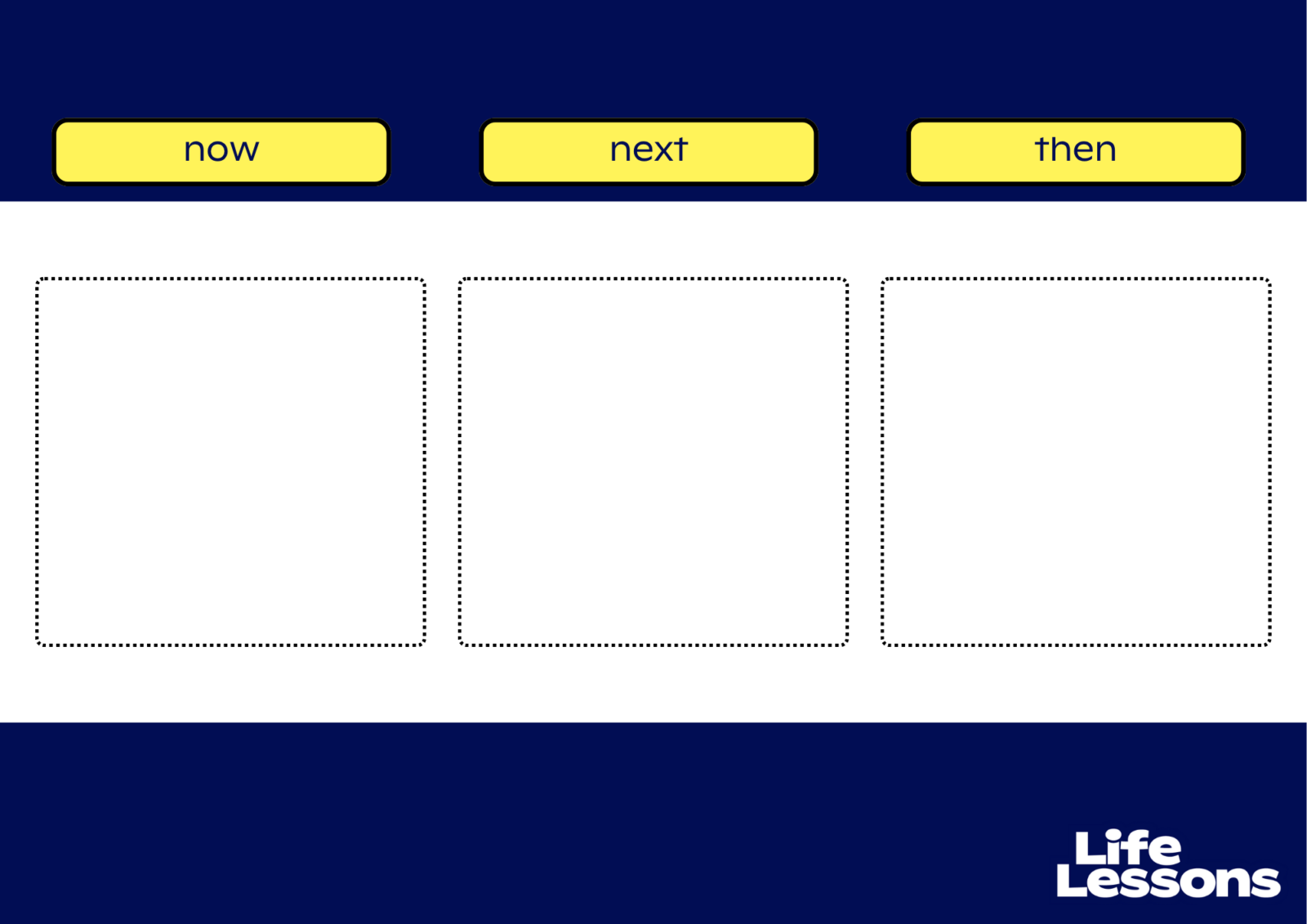
- Clear communication and routine: Many autistic young people thrive with predictability. Visual aids like “now/next/then” boards give a clear, accessible overview of what’s happening and what comes next. As part of Autism Awareness Month, we have created our own ‘now/next/then board with PSHE icons to support school staff in this area.
- Multiple means of instruction: Offering instructions in more than one format – verbal, written, and pictorial – benefits autistic learners and many others too. This links to a broader principle worth keeping in mind: many of the accommodations that support autistic people, and those with other additional needs, benefit everyone. Subtitles help people in noisy environments. Clear signage helps everyone navigate a space. A more accessible world is simply a better world for everyone.
- Youth voice: Where appropriate, ask autistic young people what works for them. Encouraging them to reflect on their own needs and communicate those needs – to teachers, peers, and others – is a powerful form of support in itself. Young people are experts on their own experiences.
How Life Lessons supports inclusion
At Life Lessons Education, inclusion isn’t an afterthought, it’s built into how we design everything we do. Our lessons are created with all SEND learners in mind: we follow WCAG accessibility guidelines, use reduced text on slides, and lean on visual representation and animation to reduce cognitive load.
Our teacher notes include inclusion-specific guidance, offering practical suggestions for adapting lessons to be more accessible and meeting a range of needs in the classroom. In our primary school lessons, characters talk about their own needs and sensory differences – needing to run around, needing quiet, feeling overstimulated in busy spaces – helping all children see that having needs is normal and human.
Our curriculum also includes lessons explicitly about inclusion and disability, such as our ITN Disability History Month resources. And in our new upgraded curriculum, we’ll be introducing specific lessons on the social model of disability, alongside embedding the experiences and needs of autistic people and those with SEND throughout all curriculum strands.
Beyond the classroom: Autism doesn’t end at 18
It’s worth remembering that autism is not only a childhood experience. More and more adults are receiving autism diagnoses, often after years of not understanding why the world felt so much harder to navigate. Autistic adults are in our workplaces, our families, our friendship groups, and our staff rooms.
So it’s worth asking: what are we doing to support one another?
Are staff meetings always a slideshow? Could the same information be shared as an email instead, or could the format be made more varied and engaging? Do team members know they’re welcome to stand or move during meetings if they need to? Are we creating space for people to communicate their needs without embarrassment?
Acceptance in practice means asking these questions regularly – not just in April.
Acceptance is active
Acceptance requires us to ask what people need, to take those needs seriously, and to make changes – to our classrooms, our workplaces, our processes, and our assumptions. It means seeking out support when we’re unsure, rather than assuming our existing approach is good enough.
This Autism Acceptance Month, we hope you’ll take at least one active step, however small, towards building a more inclusive environment for everyone.
Life Lessons Education provides PSHE resources designed with inclusion at their heart. To find out more about our curriculum and how we support SEND learners, book a call.