
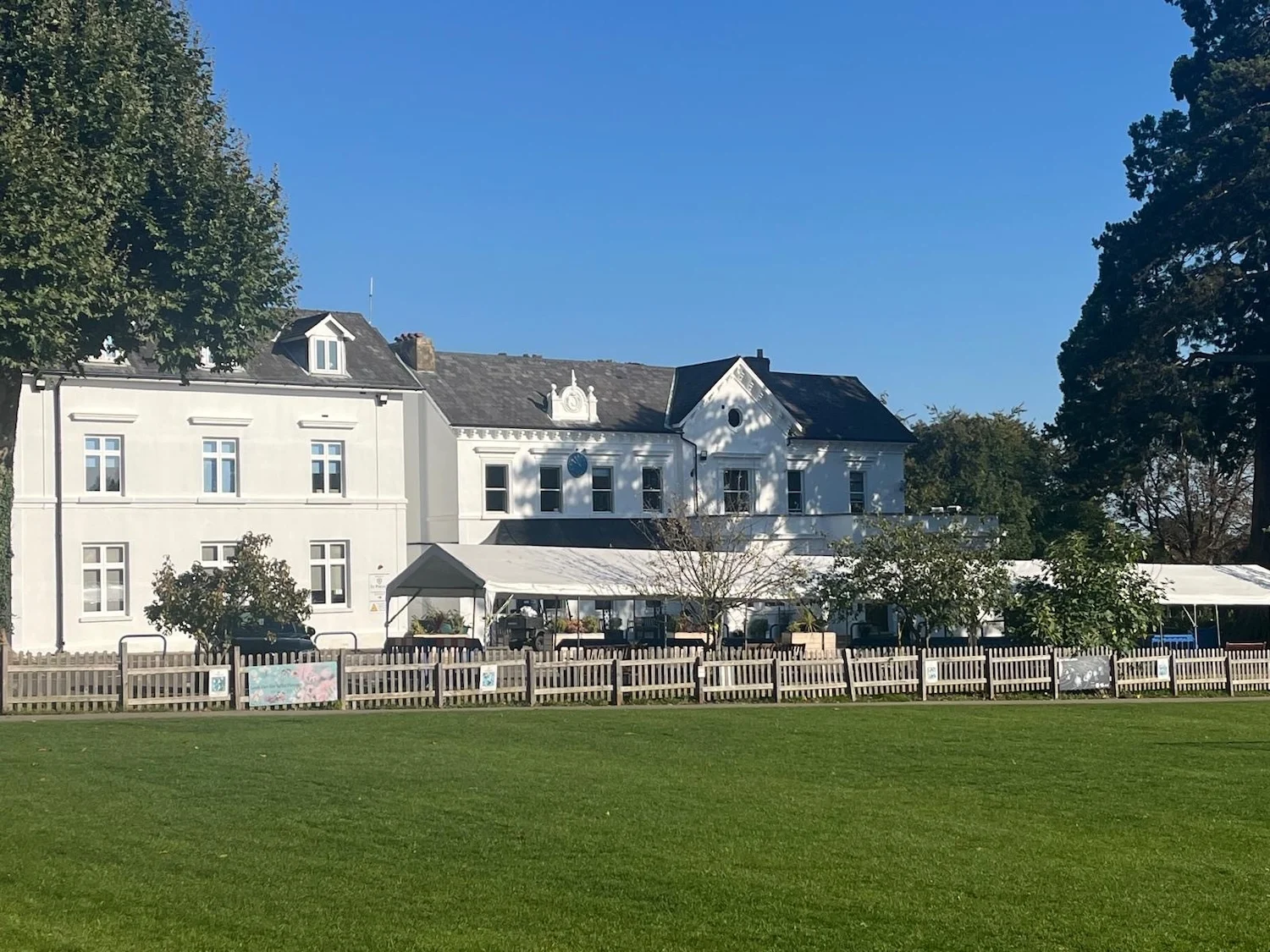
St Pirans School, Independent Primary School
Katherine Saunders, Assistant Head and Head of TLC
Camilla Earp, Deputy Head of Pastoral
About the school
St Pirans is an independent primary school in Maidenhead, Berkshire, serving children from nursery through to Year 6. With 200 years of history behind them, they’re a school that values tradition, but they’re always looking forward.
Wellbeing sits at the heart of school life. Alongside their academic curriculum, St Pirans has built a strong pastoral programme that includes dedicated wellbeing facilities, school nurses, and specialist support teams. That commitment to young people’s wellbeing is exactly what led them to Life Lessons.
The challenge
Before working with Life Lessons, St Pirans faced a common problem: their PSHE resources weren’t connecting with young people’s actual lives.
“Other resources felt fluffy,” Katherine explains. “They weren’t discussing the things children experience in real life or are exposed to, like TikTok and Snapchat. We needed something preventative, not reactive. Something that gave children the chance to practise and develop skills before they needed them.”
The school wanted to prepare young people for what was coming, not just respond to issues after they’d happened.
What’s changed
Life Lessons has become part of St Pirans’ oracy curriculum, creating space for more sensitive conversations that might otherwise feel too difficult to approach.
“The videos help young people observe wider, different discussions with different experiences,” says Katherine. “The strong planning gives structure to trickier conversations, which gives teachers more confidence.”
The resources use stories and characters to create safe distance, while questions like “Have you ever been in this situation?” bring it back to children’s own lives. This balance, between the abstract and the personal, opens up critical thinking. When teachers ask “What are the risks?”, children have the tools and the confidence to engage.
“It gives us points to start conversations that young people may not be ready for yet,” Katherine adds. “But it makes them accessible.”
What it means in practice
For Katherine and her team, the real shift has been in how both teachers and students experience PSHE.
“We’re really able to draw on the Life Lesson, what it means to you as a young person, and for the rest of your life. Everyone can see the point of the learning.”
The response from students tells its own story:
- “Mondays are my favourite day — English followed by PSHE”
- They thank teachers at the end of lessons
- “Oh no! Is it the end of the lesson already?”
- They run to class, keen to get started
And from staff, the feedback is equally clear: the materials are easy to access and easy to follow. They’re relevant, they create good discussion, and nobody wants to go back to what they used before.