

About Jasmine Hall School
Jasmine Hall School is a specialist SEND provision based in Derby, supporting 31 pupils across Key Stages 3 and 4. All pupils hold an Education, Health and Care Plan, with the majority presenting with autism alongside increasingly complex profiles including PDA, EBSA, speech and language needs and sensory differences.
PSHE sits at the heart of the school’s personal development offer – not as a standalone subject, but woven through timetabled lessons, a weekly careers session, and a form-time ‘In the News’ programme that helps pupils make sense of the world in a safe and supported way. An SMSC calendar drives the wider provision, consistently connecting learning to real-world events and experiences.
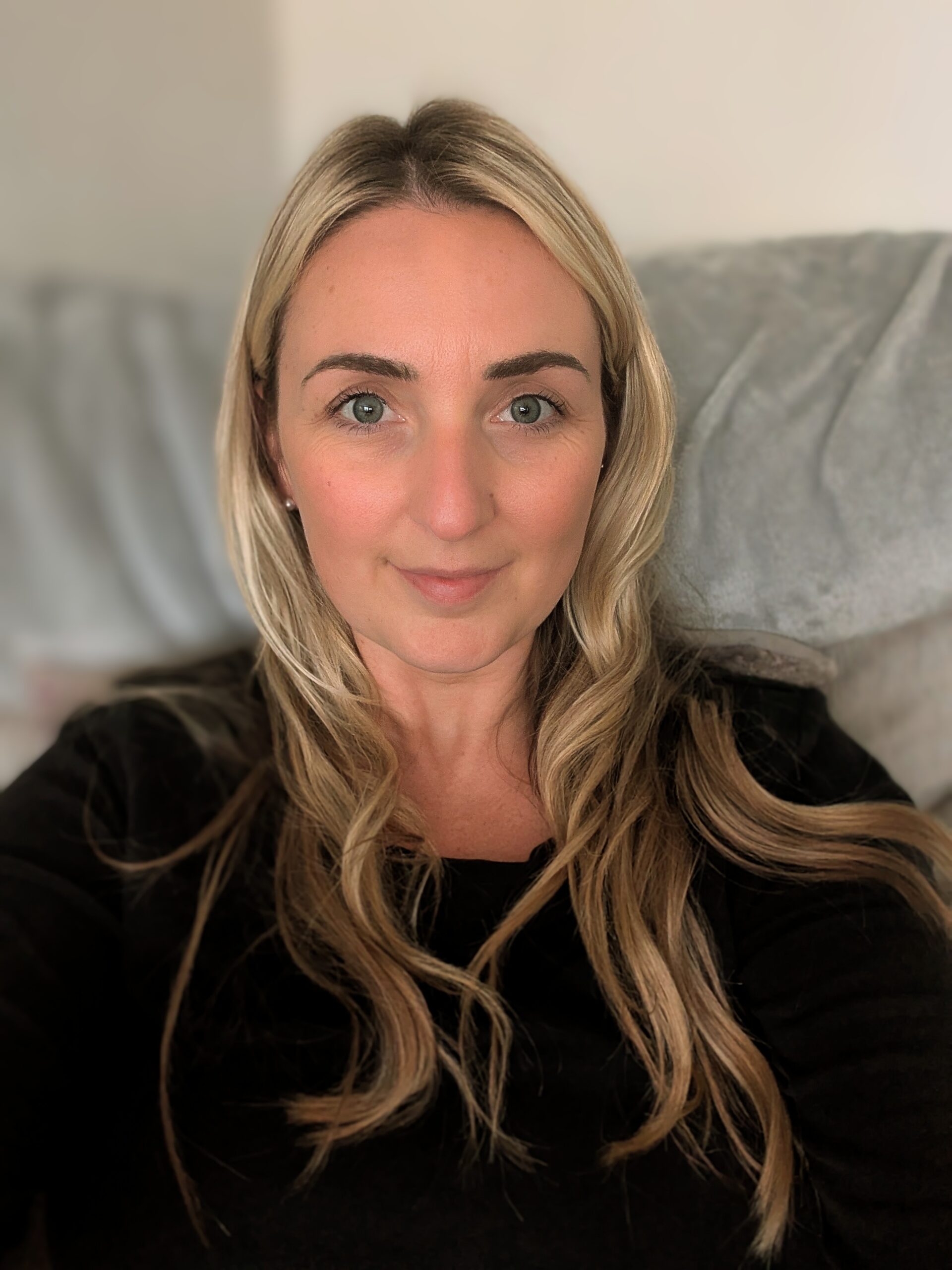
Leanne Slater is the Inclusion Lead at Jasmine Hall School and spoke to us about how Life Lessons has supported their PSHE provision.
Before Life Lessons
Before using Life Lessons, one of the biggest challenges in our school was relevance. A lot of PSHE resources just didn’t reflect the world our pupils are actually navigating. Content often felt outdated, quite repetitive, and not always aligned with current legislation or the reality of young people’s lives today.
There was also a noticeable gap in engaging content, particularly videos or real-life scenarios, which meant we were doing a lot of the work ourselves to make lessons meaningful. For our cohort, if they can’t see it or connect to it, it doesn’t land.
How we use Life Lessons in a SEND setting
We use Life Lessons as a strong starting point, but like anything in a SEND setting, it’s about how you shape it around the pupils in front of you.
We adapt where needed, breaking content down, adding visuals, pre-teaching vocabulary, and building in opportunities for regulation and processing time. We also make sure everything is anchored in real-life context, because that’s where our pupils engage best.
It works well alongside what we already do, particularly linking it into our SMSC calendar and therapeutic approaches, so it doesn’t feel like an “add on”, it feels embedded.
Current, relatable content
The biggest strength is how current and relatable the content is. The use of real-life scenarios and video content makes a huge difference, pupils can actually see what’s being discussed, rather than trying to imagine it.
Topics around relationships, online safety and independence have been particularly strong, because they’re so relevant to our pupils’ everyday lives. When they can see the purpose, engagement naturally follows.
Stronger engagement, more confident staff
The impact has been clear, both for pupils and staff.
For pupils, we’ve seen much stronger engagement and more meaningful discussions. They’re more willing to contribute, and more able to make connections between what they’re learning and their own experiences.
For staff, it’s reduced that constant pressure of having to reinvent the wheel. There’s a confidence that what they’re delivering is current, appropriate and well-structured, which allows them to focus on adapting for need rather than creating from scratch.
When pupils started speaking up
One of the most noticeable shifts has been during discussions around online safety and relationships. Previously, these topics could feel quite abstract for some of our pupils. With Life Lessons, pupils have been able to relate content directly to their own experiences and talk about it with a level of understanding we hadn’t consistently seen before.
More importantly, it has strengthened our wider safeguarding culture. The structure of the lessons has given pupils the time, language and confidence to speak up about worries or concerns, something that can be a real barrier in a SEND setting.
Off the back of this, we introduced ‘worry boxes’ in every classroom following one of the Life Lessons sessions. This has created an additional, low-pressure way for pupils to share concerns, and we’ve already seen pupils using them to communicate things they may not have said out loud.
That shift, from passive learning to pupils feeling safe enough to speak, is probably one of the most meaningful impacts we’ve seen.
A foundation you can make your own
If I was speaking to another Inclusion Lead, I’d say this, Life Lessons gives you a solid, relevant foundation, but it still allows you to do what we do best in SEND, which is adapt and personalise.
It doesn’t replace good teaching or knowing your pupils, but it absolutely strengthens it. For us, it’s been a really valuable tool in making PSHE feel purposeful, current and accessible.
Want to know more about how to become a partner school? Contact us here.