
By Dawn Aytoun, Head of Product and Impact, Life Lessons
What do we actually want to measure?
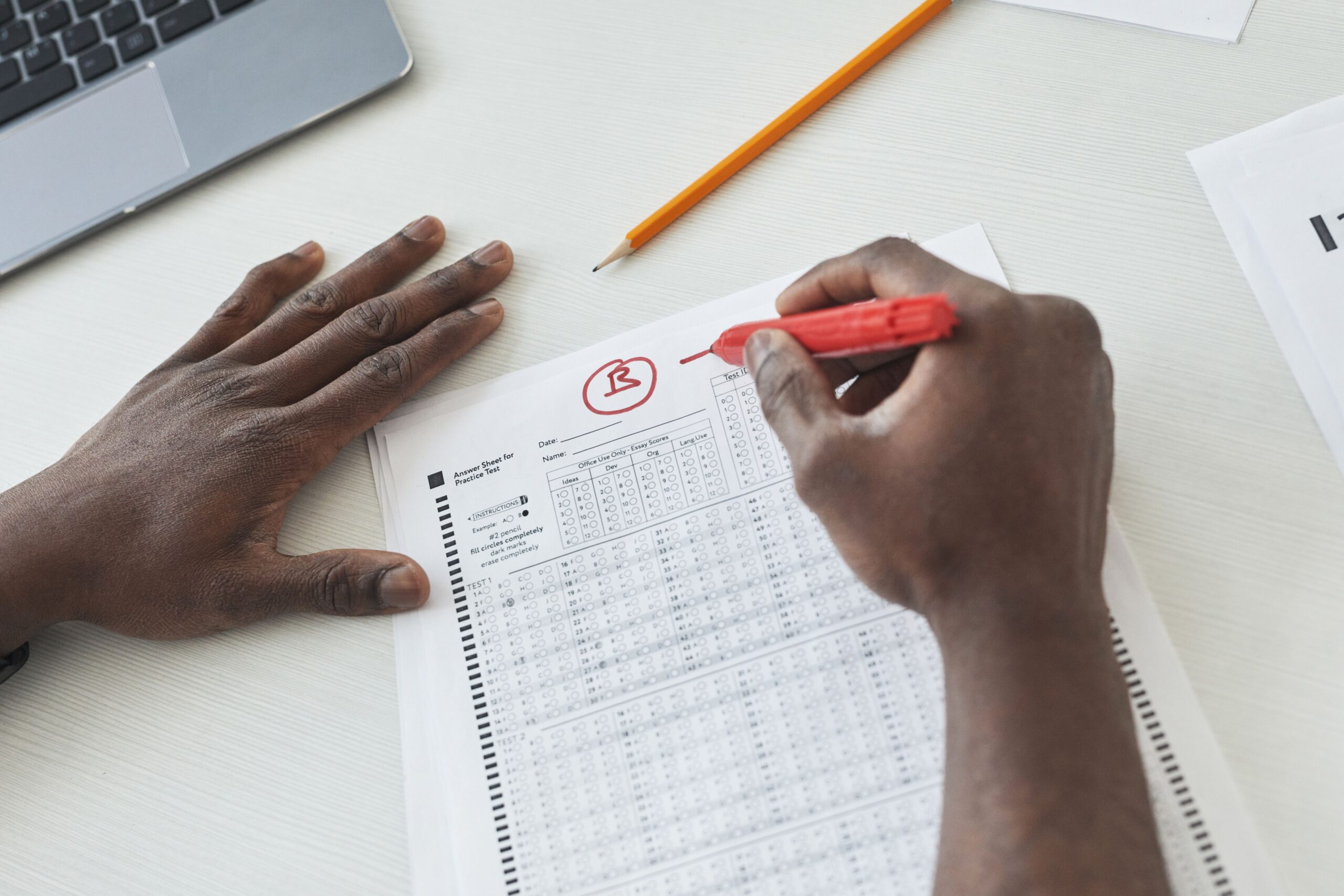
During my years as a leader in education, I have developed a complicated relationship with data. On one hand, it is the bedrock of strategic planning; on the other, I have seen how easily it can become a burdensome exercise that misses the heart of what we intend to achieve: empowering young people to live healthy, happy lives.
The complex problem that PSHE data presents has been reinforced by subsequent conversations with PSHE leads and Pastoral leaders. Conversations like “how do we measure whether our students have developed the strategies to avoid serious mental health challenges?” Or “how do they feel like they belong somewhere, and thus are able to avoid criminal exploitation?” Or “can they self regulate, and respect females in order to break a cycle of violence against women and girls.”
Why PSHE assessment is different
Measuring impact in PSHE and Personal Development is not the same as traditional subjects. The “learning objectives” are shifts in culture, emotional literacy, behaviours, and aspirations. True success in Personal Development is often a long game; the impact of a lesson on healthy relationships today might only manifest in the decisions a student makes years down the line. We have the opportunity to embrace frameworks that capture the nuances of human development and behaviour change.
The Life Lessons approach
At Life Lessons I have been thrilled to work with a passionate team to develop resources with a real pastoral impact. As a team we are moving beyond classroom intuition to build an evidence-based discipline. Our approach draws on key professional skills and measures that actually matter:
- Cultural Measures: Identifying and measuring cornerstones of inclusive, conducive cultures for growing.
- Longitudinal Tracking: Measuring development over time to inform long-term strategy and demonstrate longitudinal impact.
- Holistic Evidence: Combining pupil voice and teacher judgment with qualitative and quantitative data.
- Skills based Application: Building strategies to measure the core social skills students use to navigate the world.
For school leaders and pastoral teams, measuring impact is about transforming PSHE from a compliance task into a strategic driver. By consistently measuring the right things – attitudes, behaviours, culture and skills – you gain the evidence needed for governors and inspection bodies. At the same time you empower your teachers to tailor their support to the needs of their students, improving staff confidence and identifying where interventions might be needed.
We aren’t just teaching lessons; we are tracking the outcomes that help young people lead moral, healthy, and happy lives, long into the future. By measuring what matters, we can confidently move from asking, “Did we teach the lesson?” to answering, “Did it change a life?”
About the author
Dawn Aytoun is Head of Product and Impact at Life Lessons, with over 15 years of education leadership experience — including curriculum development (especially Humanities and Pastoral), SEN advisory work, Primary SCITT programme delivery, and coaching educational leaders. Dawn is passionate about how learning helps children understand the world around them, building empathy and curiosity.