Special education lessons for the mainstream

Co-Founder
Life Lessons
I spent a day this week at Five Acre Wood School in Kent, visiting their Snodland site, and it’s stayed with me ever since. Not because it was dramatically different or unfamiliar, but because it quietly, confidently demonstrated what it really looks like to meet learners where they are.
I went there to learn from a special school. I left thinking deeply about what mainstream education needs to become.
Why I went
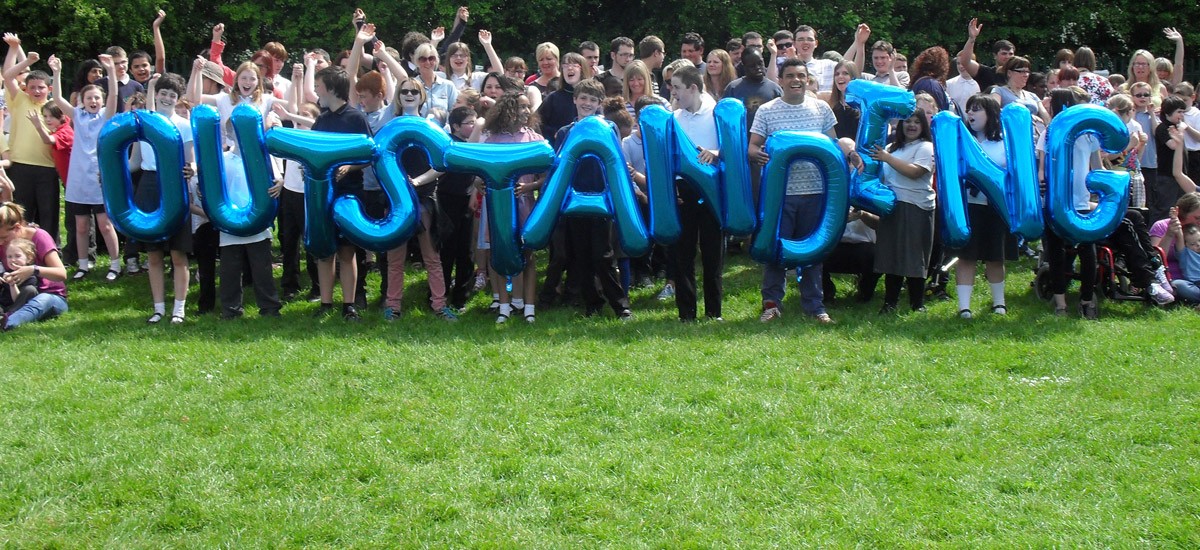
Five Acre School is an Ofsted-rated Outstanding school, and I went to speak with the team and observe lessons in practice. More broadly, I’ve been increasingly interested in how mainstream schools can better support pupils with a wide range of needs, needs that are becoming more visible, more varied, and more complex. There’s a growing recognition that what we’ve traditionally called “special” education isn’t separate from mainstream, it’s pointing the way forward.
The team at Five Acre reflected something that really struck me: many of the pupils who attend special schools today may, in the future, be educated in mainstream settings. If that’s the direction of travel, as recent policy signals suggest, then it’s vital we learn from environments like this, urgently and intentionally.
At Life Lessons, we believe that learning from special education is the only way forward for truly effective mainstream inclusion. This visit was not just for observation; it was an active part of our commitment to ensuring our curriculum is the most responsive, flexible, and inclusive PSHE resource available to meet the increasingly complex needs of young people and schools today.
What I saw in the classrooms
I sat in on a couple of lessons, including a Year 10 class and a mixed Year 8 group. The classrooms were small, around 15 pupils, with a teacher and at least one teaching assistant. But what stood out wasn’t the structure, it was the responsiveness.
In one room, a few students moved around freely. Others sat quietly, doodling or listening in their own way. And yet, learning was happening. There wasn’t a single way to “be a student” in that space. Instead, there was a shared understanding: engagement looks different for different people, and that’s okay.
I spent time with Jemma, an exceptional teacher, and spoke with other staff, including Karen and colleagues in primary. What they all demonstrated was a deeply relational approach.
They knew their pupils, really knew them.
And that knowledge shaped everything:
- what content was taught
- how it was delivered
- who was asked what
- when to pause, adapt, or go deeper
It wasn’t about sticking to a lesson plan. It was about responding in real time.
A different way of thinking about curriculum
One of the biggest shifts for me was seeing how fluid the curriculum needed to be. In mainstream settings, we often anchor learning to year groups. Here, that simply wouldn’t work.
Classes were grouped broadly by age in secondary, but what was taught, and how, depended on developmental stage, not chronological age.
Teachers adapted:
- the language they used
- the materials they selected
- the discussions they prioritised
Even within the same lesson, different pupils were accessing learning in different ways. It made me reflect on how often, in mainstream schools, we design for the “average”, a learner who doesn’t really exist.
The central importance of PSHE
At Five Acre, PSHE isn’t a bolt-on subject. It’s central.
Alongside Preparing for Adulthood (PFA), it forms the backbone of what pupils are being prepared for: life beyond school.
That includes:
- managing emotions
- building relationships
- understanding physical and mental health
- developing independence
When I spoke to students, they didn’t talk about “PSHE” as a subject. In fact, many didn’t know the term.
But they could clearly articulate what mattered:
- learning how to manage emotions
- being able to talk about things
- understanding friendships and family
Interestingly, several pupils said they wanted more focus on relationships in the context of friends, siblings, and family, not just romantic relationships. It was a powerful reminder: young people’s priorities don’t always align with how we structure the curriculum.
Teaching that adapts in the moment
One example that stayed with me was how responsive teaching needed to be. Staff shared that a recent lesson had been created for all pupils on “banter”, because it had become a relevant issue. That kind of responsiveness is harder to achieve in rigid systems, but it’s essential, especially when supporting pupils with diverse needs.
The lessons themselves were carefully structured but flexible:
- opportunities to pause and discuss
- varied formats (audio, visuals, conversation)
- scaffolding that could be adapted
There was also a clear recognition that not all learners engage well with text-heavy materials. Visuals, scenarios, and concrete examples were key. Again, I found myself thinking: this isn’t just good practice for special schools, it’s good practice, full stop.
The role of relationships
More than anything else, what I saw was the power of relationships. Because staff knew their pupils so well, they could:
- anticipate challenges
- personalise support
- create a sense of safety
That safety allowed pupils to engage in learning about complex, often sensitive topics. And it meant that when things didn’t go to plan, as they inevitably do, the response was understanding, not correction.
What this means for mainstream schools
I didn’t leave with a list of quick fixes. I left with a shift in perspective. If mainstream schools are to meet the needs of increasingly diverse learners, then we need to move towards:
1. Greater flexibility in curriculum design
Less focus on age-based expectations, more focus on developmental readiness.
2. A stronger emphasis on relationships
Knowing pupils deeply isn’t a “nice to have”, it’s foundational.
3. More responsive teaching
The ability to adapt in the moment, based on what pupils need right now.
4. Elevating life skills
Emotional regulation, communication, and relationships aren’t secondary, they’re essential.
5. Designing for variability, not the average
If we build for the full range of learners, everyone benefits.
Life Lessons: Designing for Every Learner
Our partnership with pioneering schools like Five Acre is fundamental to our development, positioning Life Lessons as the PSHE resource most in touch with the real, diverse needs of young people today. We translate the best practices of special education into every lesson plan, ensuring our materials are built for variability, not the average.
What makes our curriculum truly inclusive?
- Built-in Adaptability
Our flexible lesson formats provide instant, differentiated scaffolding for teachers. This facilitates the responsive teaching required to adapt content, language, and discussion priorities in real-time, just like the exceptional staff at Five Acre. - Varied Engagement Options
Recognising that engagement looks different for different people, every lesson is designed with varied formats, including audio, visuals, scenarios, and conversation prompts, to ensure non-text-heavy materials are readily available and support every developmental stage. - Curriculum Fluidity
We structure our content around essential life skills, emotional regulation, communication, and relationships, rather than rigid, age-based expectations. This aligns the curriculum with the actual developmental readiness of pupils, addressing their articulated priorities like relationships with friends, siblings, and family.
By drawing directly from the frontline of special education, Life Lessons empowers mainstream schools to confidently meet all learners where they are, transforming inclusion from an aspiration into a practical reality.
Final reflections
Spending time at Five Acre School didn’t feel like stepping into a completely different world. It felt like seeing a clearer version of what education could be. There was no illusion that things were easy. The needs in the room were complex. The work was demanding.
But the clarity of purpose was striking. Everything centred on preparing young people for life, on their terms, at their pace, with the support they needed. And if mainstream education is serious about inclusion, then we have a lot to learn from that.
Our dedication to partnerships like this one ensures that Life Lessons is not just keeping pace, but is actively setting the standard for inclusive and responsive PSHE education. We are the resource that is most in touch with the evolving needs of both schools and young people, providing a curriculum that is truly inclusive for all.
Ready to see the most inclusive PSHE resource in action? Schedule a call with myself or the Life Lessons team to learn more.